

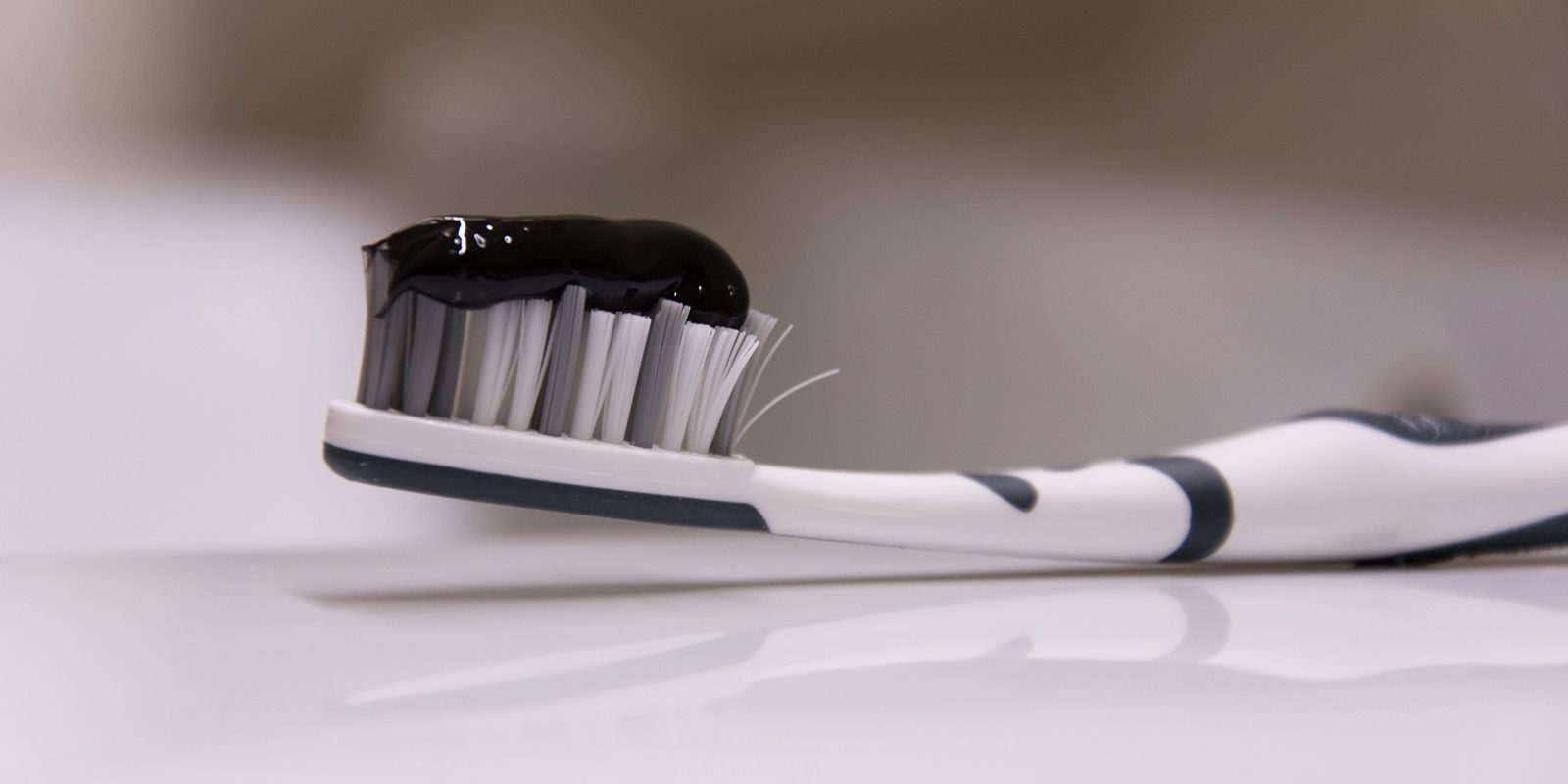
Walk down the oral care aisle and you’ll see it everywhere—sleek black toothpaste promising a brighter, whiter smile using “natural” activated charcoal. With bold claims and trendy packaging, it’s easy to see why charcoal toothpaste has exploded in popularity.
But at Bassett Creek Dental in Golden Valley, MN, we often hear the same question from patients:
Is activated charcoal toothpaste actually safe for your teeth?
The short answer: proceed with caution. Let’s break down what activated charcoal is, what the science actually says, and why many dentists recommend skipping it altogether.
What Is Activated Charcoal?
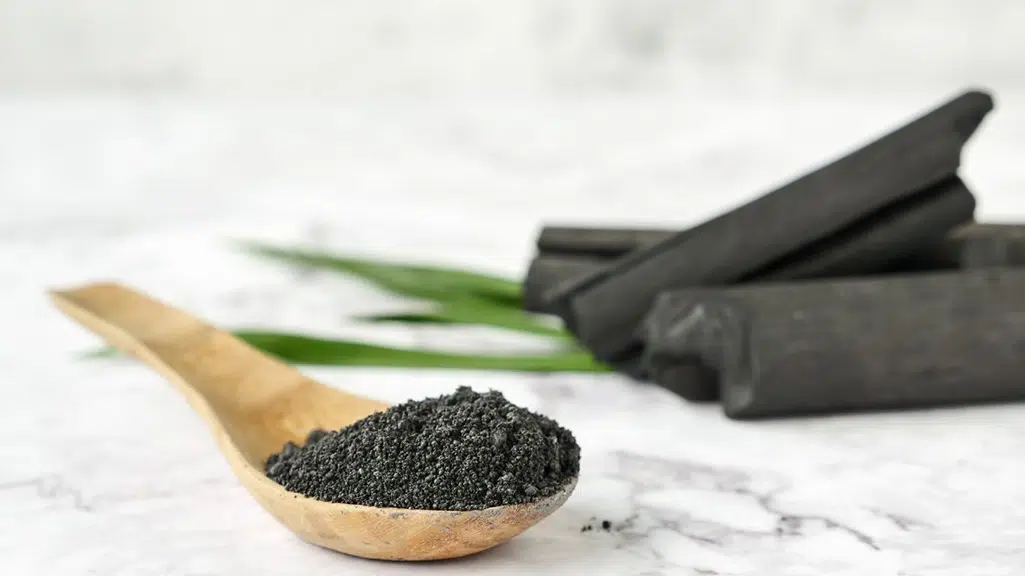
Activated charcoal is a fine black powder made by heating carbon-rich materials like wood, coconut shells, or peat at very high temperatures. This process increases its surface area, allowing it to bind to certain substances. Because of this, activated charcoal has long been used in medical settings to treat poisoning and overdoses.
That binding ability is also what toothpaste brands claim makes charcoal effective at whitening teeth—by “absorbing” stains.
Sounds promising. But here’s where the science falls apart.
Is There Scientific Evidence That Charcoal Toothpaste Whitens Teeth?
Despite widespread marketing claims, there is no strong scientific evidence proving that activated charcoal toothpaste safely or effectively whitens teeth.
According to the Journal of the American Dental Association (JADA), there is insufficient evidence to support claims that charcoal toothpaste improves oral health, prevents cavities, or provides safe long-term whitening. In fact, JADA specifically advises dental professionals and patients to be cautious when using these products.
Similarly, The Pharmaceutical Journal reports that no peer-reviewed clinical studies demonstrate that charcoal toothpaste delivers meaningful whitening benefits or improves oral hygiene.
In other words, the hype is far ahead of the science.
Why Dentists Are Concerned About Charcoal Toothpaste

The biggest issue isn’t that charcoal toothpaste doesn’t work—it’s that it may actually damage your teeth.
1. It’s Often Too Abrasive
Activated charcoal is gritty by nature. Many charcoal toothpastes are significantly more abrasive than standard fluoride toothpaste. Over time, this abrasion can:
-
Wear down tooth enamel
-
Increase tooth sensitivity
-
Make teeth more vulnerable to cavities
-
Cause yellowing as enamel thins and underlying dentin shows through
Once enamel is gone, it does not grow back.
2. It Can Cause Staining, Not Whitening
Charcoal particles can lodge themselves into:
-
Small cracks in enamel
-
Gaps around fillings, crowns, or veneers
-
Gum pockets in patients with gum disease
Instead of whitening teeth, this can lead to dark staining, especially around restorations—exactly the opposite of what most patients want.
3. Many Charcoal Toothpastes Lack Fluoride
Fluoride is one of the most important tools we have to prevent tooth decay. Many charcoal toothpastes either contain no fluoride or include it in very low amounts.
For patients in Golden Valley and the Twin Cities area, skipping fluoride—especially long-term—can increase cavity risk significantly.
Is Activated Charcoal “Natural” and Therefore Safer?
“Natural” does not automatically mean safe for teeth.
Poison ivy is natural. So is acid. What matters is how a substance interacts with enamel, gums, and oral bacteria. At this time, there is no credible evidence that charcoal toothpaste provides long-term oral health benefits—and there is real concern about potential harm.
A Safer Way to Whiten Your Smile
If you’re looking for a brighter smile, there are proven, dentist-approved options that are far safer and more effective than charcoal toothpaste:
-
Professional teeth whitening
-
Custom take-home whitening trays
-
In-office whitening treatments
-
Whitening toothpaste approved by the ADA
At Bassett Creek Dental, we help patients in Golden Valley, St. Louis Park, Plymouth, Robbinsdale, and surrounding Minnesota communities choose whitening solutions that protect enamel while delivering real results.
Our Professional Recommendation
Based on current research and clinical experience, activated charcoal toothpaste is not worth the risk. The potential for enamel damage, increased sensitivity, and discoloration far outweighs any unproven whitening benefit.
If you’re curious about whitening your teeth safely—or want guidance on choosing the right toothpaste for your needs—we’re always happy to help.
Talk to a Trusted Dentist in Golden Valley, MN
At Bassett Creek Dental, we believe in evidence-based dentistry—not trends. If you have questions about whitening, toothpaste ingredients, or protecting your smile long-term, schedule a visit with our experienced team.
Call 763.546.1301 or book online today.