

You use it twice a day, every day, for your entire life and most people spend about twelve seconds choosing it. We get it. Standing in the toothbrush aisle at Target staring at forty-seven nearly identical options is not anyone’s idea of a good time.
But here’s the thing: the toothbrush you choose actually does matter. Not in a “your whole oral health depends on this one decision” way, but more so in a “a few simple guidelines will help you make a good choice and avoid the ones that can quietly cause damage” way. We see the results of both ends of that spectrum in this office every day.
So let’s make this easy. Here’s what the team at Bassett Creek Dental actually tells patients when they ask — which, by the way, is more often than you’d think.
The One Rule That Matters Most: Always Choose Soft Bristles
If you remember nothing else from this post, remember this: soft bristles only. Always.
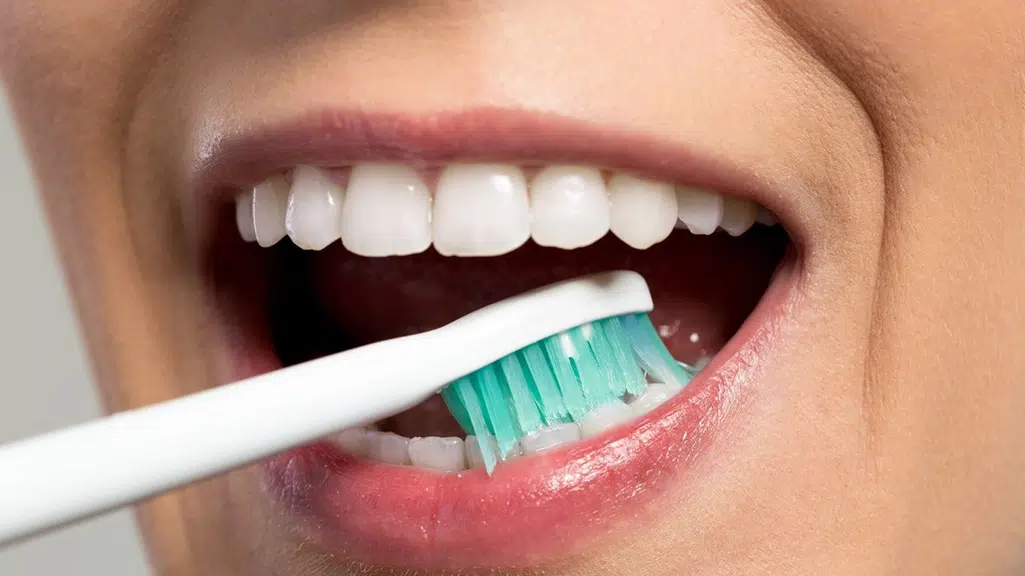
Medium and hard bristles feel like they’d be more effective, more scrubbing power, right? Actually, no. Harder bristles can wear down tooth enamel over time and contribute to gum recession, both of which are permanent and not fixable with a better brush later. Enamel doesn’t grow back. Gums that have receded don’t just bounce back. The damage is slow and cumulative, which is exactly why people don’t notice it happening until it’s already happened.
Soft bristles, used properly with the right technique, clean your teeth just as effectively as harder ones, without the collateral damage. If you’re a brusher who goes at it like you’re scrubbing a cast iron pan, soft bristles and a lighter touch are especially important. Your hygienist can show you what “proper pressure” actually feels like if you’re not sure.
Manual vs. Electric
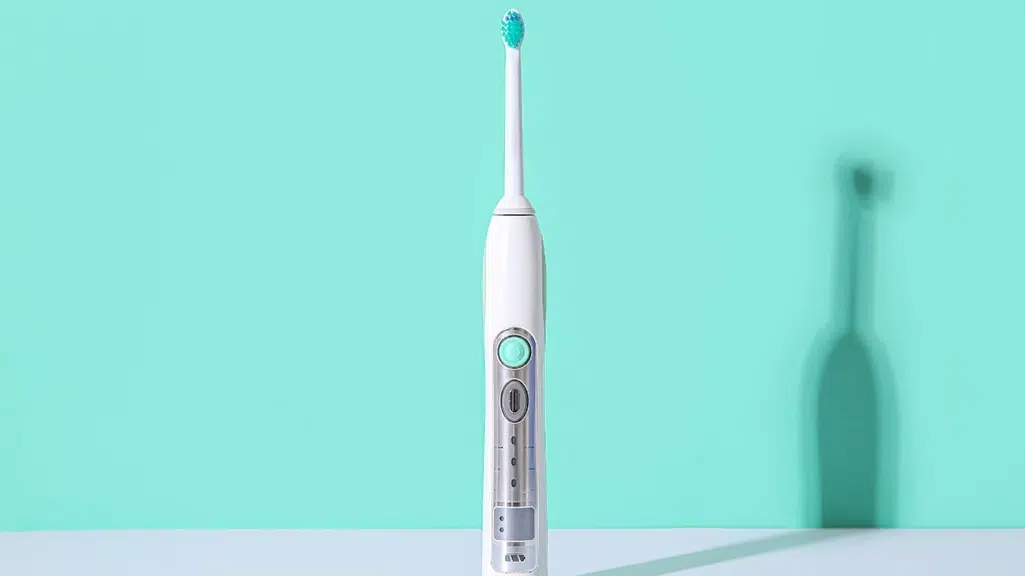
This is the question we get most often, and the honest answer is: a manual toothbrush used correctly is just as effective as an electric one. The best toothbrush is the one you’ll actually use consistently and well.
That said, electric toothbrushes do have real advantages in certain situations and for some people they’re genuinely the better choice.
Electric toothbrushes tend to work better for:
- People with arthritis or limited hand dexterity. Electric brushes do the oscillating work for you, which requires significantly less grip strength and wrist motion than a manual brush.
- Anyone who tends to brush too hard. Many electric brushes have built-in pressure sensors that alert you when you’re pressing too firmly. For aggressive brushers, this is genuinely useful feedback.
- Kids who need a little more motivation. Electric toothbrushes are often more exciting for kids, which means they’re more likely to actually brush for a full two minutes. Some come with timers, apps, or characters — whatever it takes.
- Patients with active decay or gum disease. If you’re currently dealing with dental health issues, your hygienist may recommend an electric brush as part of getting things back on track. The consistency of the oscillating motion can be helpful during treatment.
If none of those describe you and you like your manual brush, great. Stick with it. Don’t let anyone make you feel like you’re doing it wrong.
Size Matters — Your Brush Head Should Fit Your Mouth
This one is simple but overlooked. Your brush head should fit comfortably in your mouth and be able to reach all the way to your back molars without you having to unhinge your jaw. A brush head that’s too large will miss spots, particularly the sides and backs of your rear teeth, which are already the hardest areas to clean.
As a general guide, the brush head should cover about one to two teeth at a time. If you’re buying for a child, get a brush designed for their age range. Children’s brushes are sized appropriately for smaller mouths and softer teeth, and they usually have smaller handles that are easier for little hands to grip.
How Often Should You Replace Your Toothbrush?
More often than most people do. The general recommendation is every three to four months or sooner if the bristles are visibly frayed, splayed, or flattened. Worn bristles don’t clean effectively. They lose their shape and stop reaching the spaces between teeth the way they’re designed to.
A good rule of thumb: when in doubt, replace it. Toothbrushes are not an investment item. They’re designed to be replaced, and the cost of a new one is significantly less than the cost of a cavity that developed because you were brushing with a brush that had given up six months ago.
Also worth knowing: replace your toothbrush after you’ve been sick. Bacteria and viruses can linger on bristles, and the last thing you want when you’re finally feeling better is to reintroduce whatever you just recovered from.
Look for the ADA Seal of Acceptance
When you’re standing in that aisle trying to choose, the ADA (American Dental Association) Seal of Acceptance is your shortcut to knowing a product has been independently evaluated for safety and effectiveness. It means the claims on the package have been reviewed and verified. Meaning the bristles won’t fall out and get swallowed, the handle won’t snap, and it’ll actually do what it says it does.
Not every good toothbrush has the seal. The application process is voluntary and some reputable brands haven’t gone through it. But if you’re choosing between two options you know nothing about, the one with the seal is the safer bet.
Choosing for Your Kids
If you’re buying toothbrushes for the whole family, kids have a few specific needs worth keeping in mind:
- Age-appropriate sizing. Baby and toddler brushes are tiny for a reason. As kids grow, the brush should grow with them. Most packaging will indicate the appropriate age range.
- Let them pick it. A toothbrush with their favorite character or color is a toothbrush they’ll actually want to use. Enthusiasm for brushing is worth more than the brand name. Within the soft bristle, ADA seal guidelines — let them choose.
- Supervise until around age 7 or 8. Most kids don’t have the dexterity to brush effectively on their own until around this age. Until then, do a follow-up brush after they’ve had their turn — or at least check their work.
- Two minutes, twice a day — for them too. The same standard applies to kids. A timer, a song, or a brushing app can help make two minutes feel less like forever to a six-year-old.
Still Not Sure? Just Ask Us.
Toothbrush recommendations are genuinely one of our favorite things to talk about at appointments — partly because the answer is different for everyone and partly because it’s one of the easiest wins in dentistry. The right brush for a seven-year-old who hates brushing is not the same as the right brush for a 65-year-old with arthritis, and knowing the difference matters.
At your next visit, just ask. Your hygienist will take a look at what’s going on in your mouth, how you brush, and what your specific situation calls for — and give you a real recommendation, not a generic one.
And if it’s been a while since you’ve been in — or if you’ve never found a dental home that feels right — we’d love to be that place for your family. Bassett Creek Dental is located in Golden Valley, open early mornings, evenings, and Saturdays, and currently welcoming new patients. Call us at 763-546-1301 or request an appointment online.
Frequently Asked Questions
Is a soft toothbrush really better than a medium or hard one?
Yes. Medium and hard bristles can damage tooth enamel and contribute to gum recession over time, both of which are permanent. Soft bristles clean just as effectively when used with proper technique and are far safer for daily use. If you’ve been using a medium or hard brush, switch to soft and ask your hygienist to check your enamel and gumline at your next visit.
Is an electric toothbrush worth it?
For some people, absolutely. For others, a well-used manual brush is perfectly sufficient. Electric brushes are particularly worth it for people with arthritis or limited dexterity, people who tend to brush too hard, kids who need extra motivation, and patients dealing with active gum disease or decay. If you’re not sure whether an electric brush would help your specific situation, ask your hygienist, that’s exactly the kind of personalized recommendation they’re good at.
How often should I replace my toothbrush?
Every three to four months, or sooner if the bristles look worn. Frayed or splayed bristles don’t clean effectively and won’t reach the spaces between teeth properly. A quick visual check every few weeks is all it takes — if it looks tired, it’s time for a new one. Also replace it after any illness.
What toothbrush should I get for my child?
Look for a brush sized for their age group, with soft bristles and an ADA seal. Beyond those basics, let them pick the color or character — a toothbrush they’re excited about is one they’ll actually use. Electric options for kids can also help with the two-minute motivation problem. Supervise brushing until around age 7 or 8, when most kids have developed the dexterity to do a thorough job on their own.
What does the ADA Seal of Acceptance mean on a toothbrush?
The ADA Seal means the American Dental Association has independently evaluated the product and verified that it’s safe and effective as advertised. For toothbrushes, it means the bristles won’t detach and be swallowed, the handle is durable, and the brush actually cleans teeth. It’s a voluntary certification, so not every good brush has it — but when you’re choosing between unknowns, it’s a useful signal.
Does toothbrush brand matter?
Less than you’d think. What matters is soft bristles, an appropriate size for your mouth, an ADA seal, and consistent replacement every three to four months. Within those parameters, personal preference — handle feel, head shape, color, whether it came in a three-pack at Costco — is perfectly reasonable criteria. The most expensive brush on the shelf isn’t automatically the best one for you.