

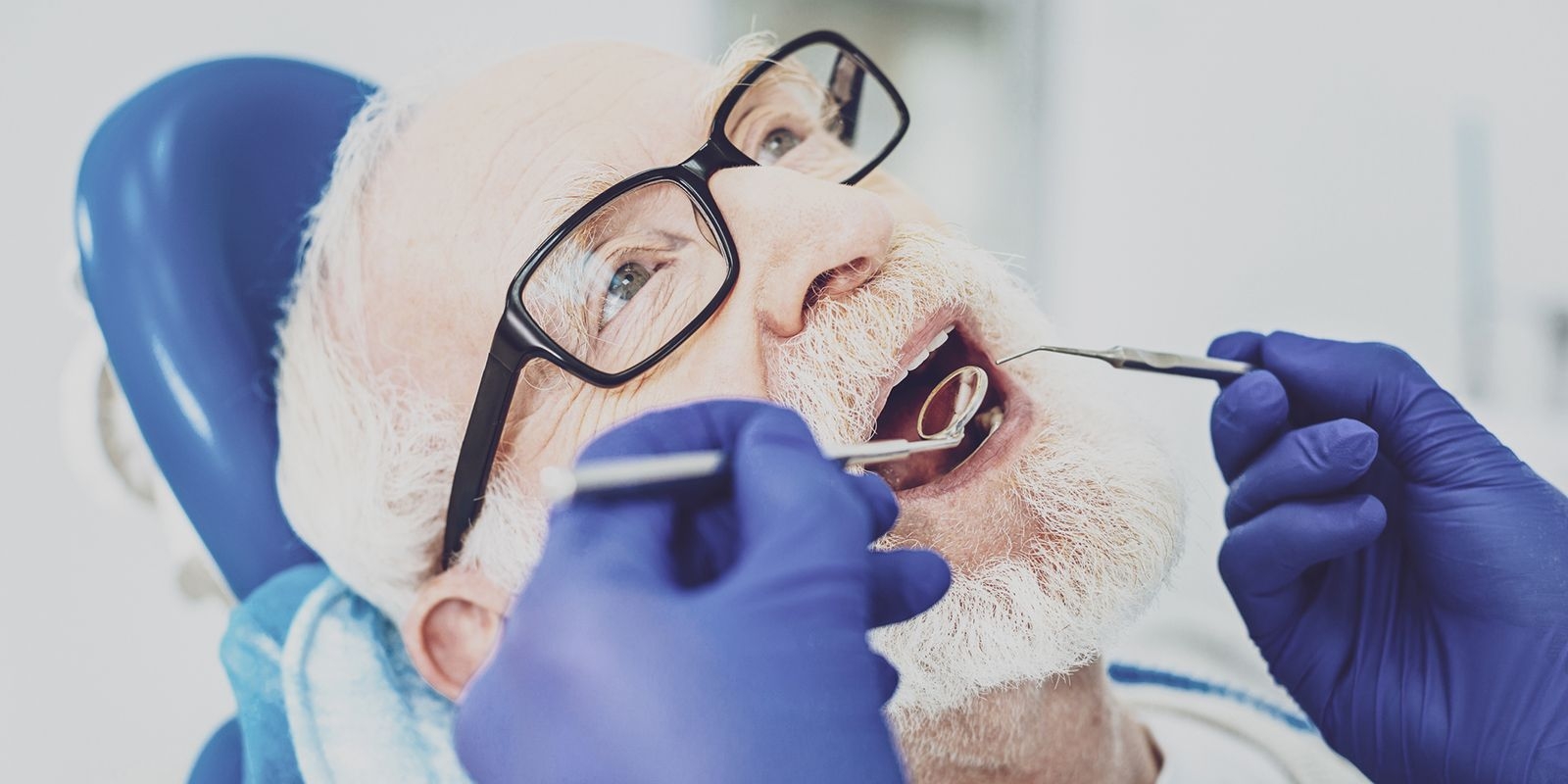
Managing diabetes involves more than just blood sugar—it also plays an important role in your oral health. At Bassett Creek Dental, we help patients in Golden Valley, Plymouth, St. Louis Park, and Minnetonka understand how diabetes can impact their teeth and gums, and what steps to take to stay healthy.
What Is Diabetes?
Diabetes is a long-term condition that affects how your body uses sugar (glucose) for energy. There are three main types:
- Type 1 Diabetes: The body does not produce insulin
- Type 2 Diabetes: The body does not use insulin effectively
- Gestational Diabetes: Occurs during pregnancy when the body cannot properly regulate insulin
Each type can affect your overall health—including your mouth.
How Does Diabetes Affect Oral Health?
Diabetes can increase your risk for several dental issues, especially if blood sugar levels are not well managed.
1. Gum Disease (Periodontal Disease)
People with diabetes are more prone to gum disease, a bacterial infection that affects the gums and supporting bone. Symptoms may include:
- Swollen or bleeding gums
- Bad breath that doesn’t go away
- Gum recession
- Loose teeth
If left untreated, gum disease can lead to tooth loss.
2. Slower Healing
Diabetes can slow your body’s ability to heal. This means that:
- Gum infections may take longer to improve
- Recovery after dental procedures may be slower
- Minor issues can become more serious if not treated early
3. Dry Mouth (Xerostomia)
Reduced saliva production is common in people with diabetes. Dry mouth can lead to:
- Increased cavities
- Mouth sores or irritation
- Difficulty chewing or swallowing
- Higher risk of infection
4. Higher Risk of Infections (Including Thrush)
Elevated sugar levels in saliva can create an environment where bacteria and fungi thrive. This may lead to:
- Oral thrush (a fungal infection)
- Frequent infections
- Increased tooth decay
Why Blood Sugar Control Matters for Your Smile
When diabetes is well managed, your risk of dental complications decreases significantly. When it is not, the chances of developing gum disease, infections, and tooth decay increase.
Your dentist and physician work together to support your overall health.
What to Watch for at Home
If you have diabetes, it’s important to monitor your oral health closely. Contact your dentist if you notice:
- Bleeding gums when brushing or flossing
- Swollen or tender gums
- Persistent dry mouth
- White patches or sores in the mouth
- A bad taste that won’t go away
- Loose teeth or changes in your bite
Early detection makes treatment easier and more effective.
Preventing Dental Problems with Diabetes
At Bassett Creek Dental, we recommend the following habits to protect your oral health:
- Brush twice daily with fluoride toothpaste
- Floss every day (this is critical for gum health)
- Stay hydrated throughout the day
- Keep blood sugar levels well controlled
- Visit your dentist every 6 months (or more often if recommended)
Dental Care for Patients with Diabetes in Golden Valley, MN
Our team understands the connection between diabetes and oral health. We provide personalized, gentle care tailored to your needs and work with you to prevent complications before they start.
Serving Golden Valley, Plymouth, St. Louis Park, Minnetonka, and surrounding areas schedule your visit online
FAQ: Diabetes and Oral Health
How does diabetes affect your teeth and gums?
Diabetes increases your risk for gum disease, dry mouth, infections, and slower healing.
Can gum disease make diabetes worse?
Yes. Gum disease can make it harder to control blood sugar levels, creating a cycle that affects both conditions.
What are the early signs of dental problems with diabetes?
Bleeding gums, bad breath, dry mouth, and gum swelling are common early signs.
How often should diabetics go to the dentist?
Most patients should visit every 6 months, but some may need more frequent cleanings depending on their condition.
Is dry mouth common with diabetes?
Yes. Reduced saliva can increase the risk of cavities and infections.