

It’s one of the most common questions we get, right up there with “do I really need to floss” (yes) and “is coffee actually bad for my teeth” (let’s not go there today). Electric toothbrushes have been around long enough that most people have an opinion on them, but the opinions vary wildly depending on who you ask.
So here’s the honest answer from people who look inside mouths all day: a manual toothbrush, used correctly, can absolutely clean your teeth just as well as an electric one. The best toothbrush is the one you will actually use consistently and well.
That said, “used correctly” is doing a lot of work in that sentence. And for a lot of people, an electric toothbrush makes “correctly” significantly easier to achieve. Here’s the full picture.
The Case for Manual: Simple, Effective, and Completely Underrated

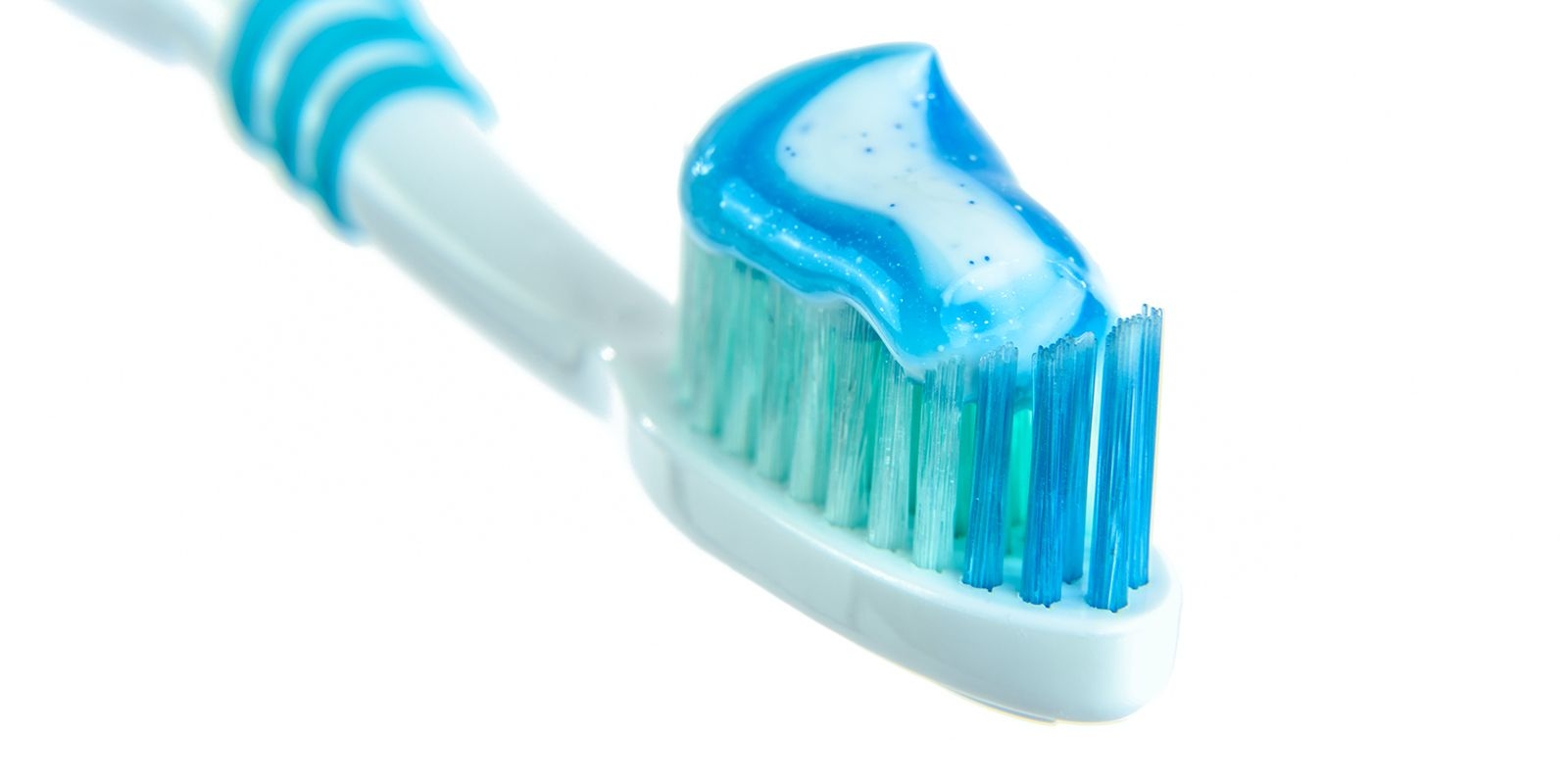
Manual toothbrushes get a bad rap they don’t entirely deserve. When someone brushes properly with a soft-bristled manual brush for a full two minutes, twice a day, they are doing exactly what their teeth need. The mechanics of plaque removal don’t require a motor. They require contact, consistency, and technique.
Manual brushes are also affordable, travel-friendly, available everywhere, and don’t need charging. For patients who are already brushing well and whose checkups reflect it, there’s genuinely no compelling reason to switch. If it’s working, it’s working.
One useful trick if you want to check your own brushing technique: disclosing tablets. These are chewable tablets that stain any remaining plaque on your teeth, showing you exactly which spots you’re consistently missing. They’re inexpensive, available at most pharmacies, and surprisingly illuminating. Most people discover they have a zone or two they routinely skip without realizing it.
The Case for Electric: Where It Actually Makes a Difference
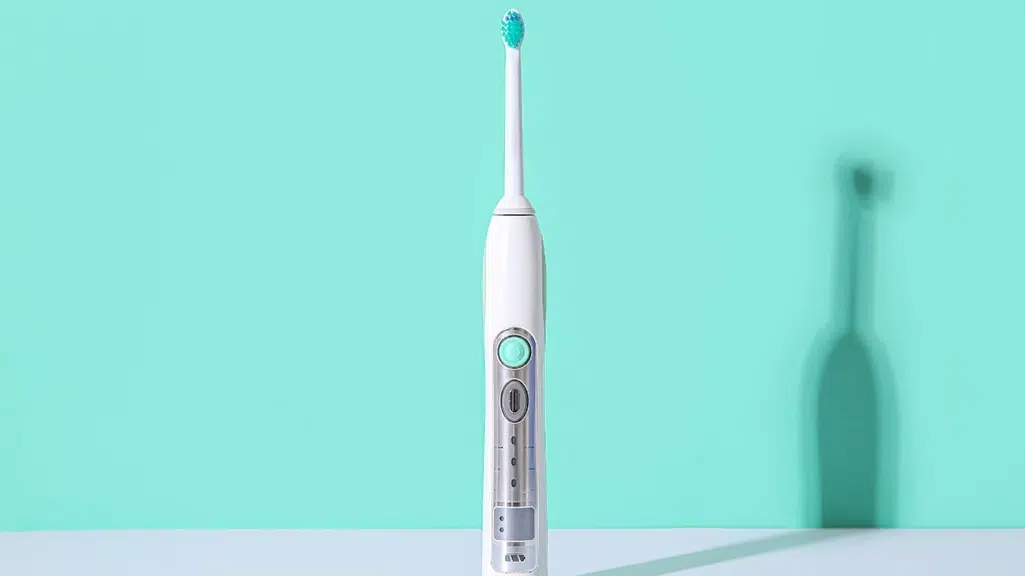
Electric toothbrushes earn their reputation in specific situations. The technology has genuinely improved over the years and for the right person, the upgrade is worth it. Here’s where electric brushes tend to pull ahead.
The two-minute problem
Two minutes sounds like nothing. In practice, most people who brush without a timer stop somewhere around 45 seconds and feel like they’ve done a thorough job. Dentists have known this forever. Most electric toothbrushes have a built-in two-minute timer, and many pause or pulse at the 30-second mark to signal you to move to a different quadrant of your mouth. It’s a small thing that makes a real difference in whether you’re actually covering all four zones consistently.
Pressure sensors for aggressive brushers
Brushing too hard is one of the more common causes of enamel wear and gum recession, and most people have no idea they’re doing it. Many mid-range and higher-end electric brushes now include pressure sensors that alert you in real time when you’re pressing too firmly. For patients who tend to go at their teeth with enthusiasm, this feedback is genuinely useful and can prevent long-term damage that’s difficult to reverse.
Bluetooth and brushing apps
Some electric toothbrushes now sync with an app on your phone via Bluetooth and give you a real-time map of how you’re brushing. Which zones you’re covering, how long you’re spending on each area, whether you’re pressing too hard. It sounds like overkill, and for most people it probably is. But for someone who genuinely wants to understand and improve their brushing habits, or for a parent trying to teach a child proper technique, the data is actually useful. Technology for technology’s sake is not something we’d normally endorse. Technology that changes behavior in a meaningful way is a different story.
Arthritis and limited dexterity
This is where electric toothbrushes make the most meaningful difference. The oscillating motion of an electric brush does most of the mechanical work, requiring significantly less grip strength and wrist rotation than a manual brush. For patients with arthritis, reduced hand strength, or any condition that affects fine motor control, an electric brush isn’t a luxury. It’s often a genuinely better tool for maintaining oral health independence.
Kids who need a little convincing
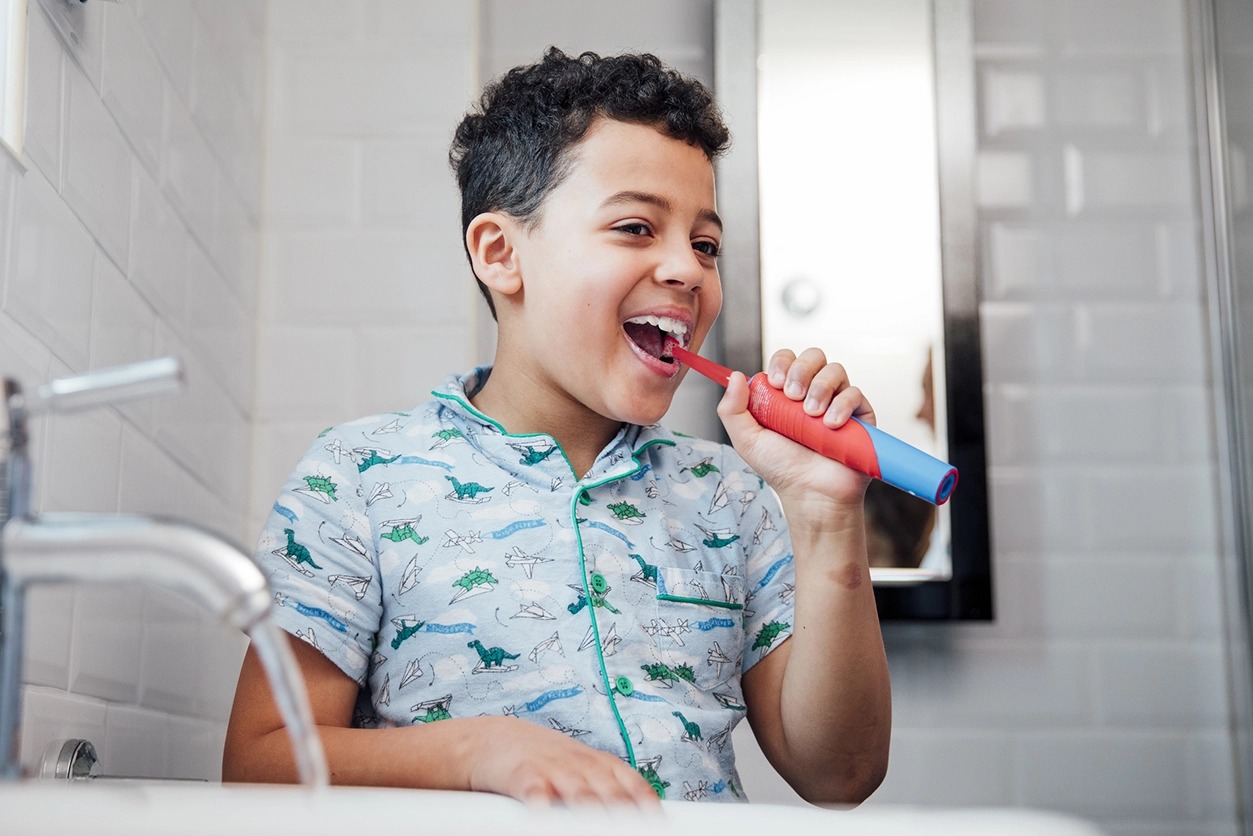
Getting a child to brush for a full two minutes is a negotiation most parents know well. Electric toothbrushes tend to be more interesting to kids, which helps. The built-in timer removes the “are we done yet” argument. And some kids’ electric brushes come with apps, songs, or timers that turn two minutes into something closer to fun. A toothbrush a child is excited to use is worth a lot more than a technically superior one gathering dust by the sink.
What Actually Matters More Than the Brush You Choose
Here’s something worth saying plainly: the manual versus electric debate is a distant second to whether you’re actually brushing consistently at all. Two minutes, twice a day, with a soft-bristled brush and fluoride toothpaste is the foundation. Everything else is refinement.
Flossing once a day matters as much as your brush choice. Replacing your brush or brush head every three to four months matters. Showing up for your cleanings twice a year matters. The best electric toothbrush on the market won’t save you if you skip those.
That said, if switching to electric makes you more likely to brush for the full two minutes, reach your back molars consistently, and lay off the aggressive scrubbing, then it’s absolutely worth the investment. The goal is a clean, healthy mouth. Use whatever gets you there.
Not Sure Which Is Right for You? Ask at Your Next Visit.
This is genuinely one of our favorite things to talk about, because the answer is different for everyone. Your hygienist can take a look at your current brushing patterns, check for signs of wear or missed spots, and give you a recommendation that’s specific to your mouth and your habits.
If you’re a Bassett Creek Dental patient, bring it up at your next cleaning. If you’ve been looking for a practice where you can ask questions like this and get a straight answer without feeling rushed, we’d love to meet you. We’re located in Golden Valley, open early mornings, evenings, and Saturdays, and always welcoming new patients. Call us at 763-546-1301 or schedule online.
Frequently Asked Questions
Is an electric toothbrush really better than a manual one?
Not automatically. A manual toothbrush used properly for two minutes twice a day cleans teeth just as effectively. Electric brushes tend to be better for people who underbrush, brush too hard, have arthritis or limited dexterity, or need extra motivation to brush consistently. For everyone else, it comes down to personal preference.
How long should I brush my teeth?
Two minutes, twice a day. Most people significantly underestimate how long two minutes actually is when they’re brushing. Try setting a timer on your phone the next time you brush manually and see how you do. Many people stop at 45 to 60 seconds and feel like they’ve done a full job. An electric brush with a built-in timer takes that guesswork out of the equation.
Are electric toothbrushes worth the cost?
For some people, absolutely. If an electric brush helps you brush longer, more evenly, and with less pressure, those are real benefits that show up in your oral health over time. You don’t need to spend a fortune either. A mid-range electric brush in the 40 to 80 dollar range covers the basics well. The most expensive models add features like Bluetooth and app connectivity that are useful for some people and completely unnecessary for others.
What are disclosing tablets and should I use them?
Disclosing tablets are chewable tablets that temporarily stain plaque on your teeth, showing you exactly which areas you’re missing when you brush. They’re a surprisingly useful self-check tool, available at most pharmacies for just a few dollars. Chew one after brushing, look in the mirror, and you’ll see any remaining plaque highlighted in color. Most people find at least one consistent blind spot. Use that information to adjust your technique.
Can I brush too hard with an electric toothbrush?
Yes. An electric toothbrush does the oscillating work for you, which means you should be holding it gently against your teeth and guiding it rather than scrubbing. Pressing too hard with an electric brush can still cause enamel wear and gum recession over time, just like a manual brush. Many mid-range and higher-end electric brushes include pressure sensors that alert you when you’re pressing too firmly, which is one of their genuinely useful features.
How often should I replace my electric toothbrush head?
Every three to four months, same as a manual brush. Replacement heads wear out just like manual bristles do, and worn bristles don’t clean effectively regardless of what’s powering them. Most electric brush manufacturers offer subscription services for replacement heads, which is a convenient way to stay on schedule without having to remember.