

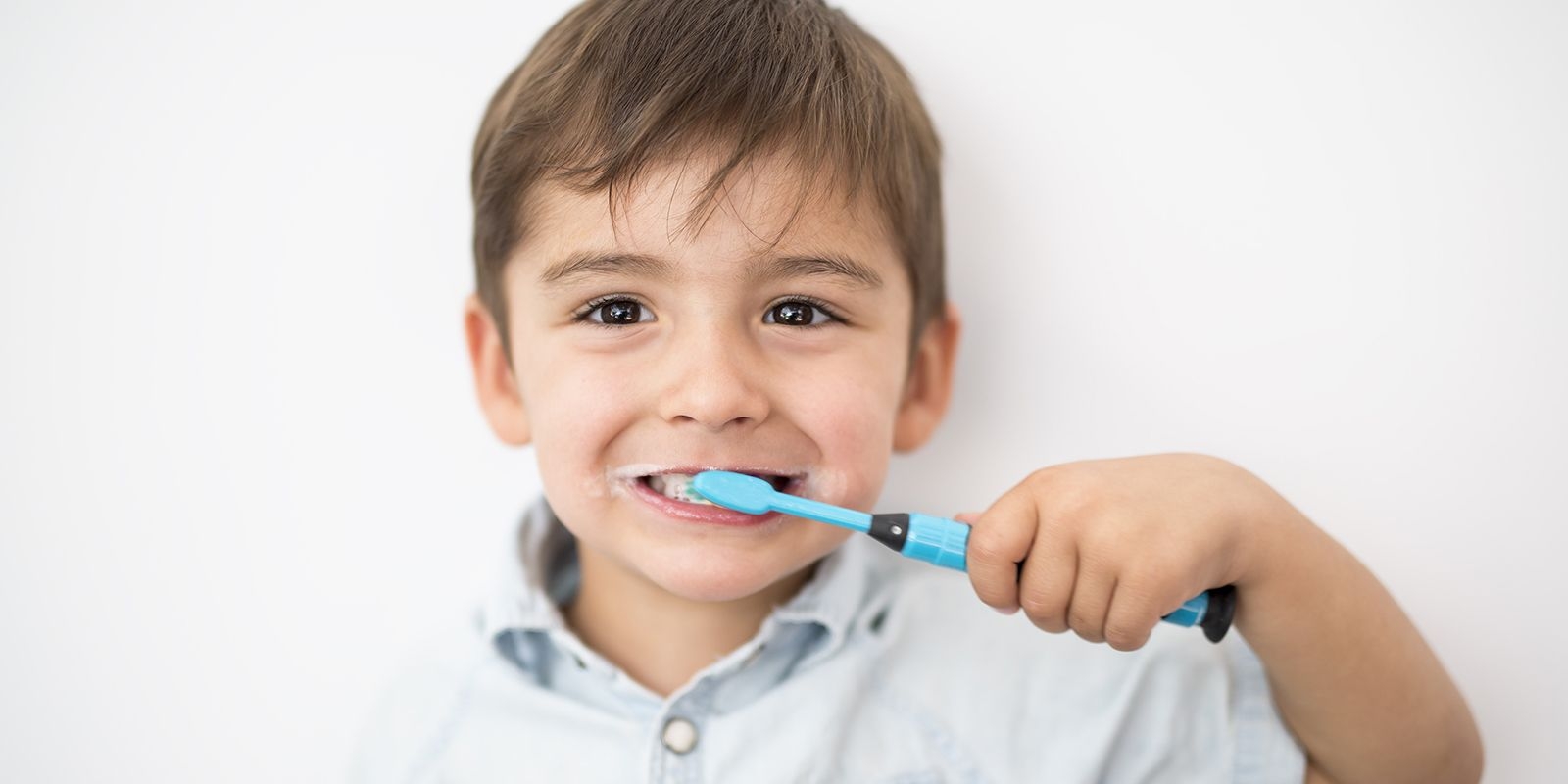
February is National Children’s Dental Health Month, and if you’re a parent, chances are you’ve Googled at least one of these questions at 9:30 pm while holding a toothbrush and negotiating with a toddler.
At Bassett Creek Dental, we see families from Golden Valley, Plymouth, Crystal, New Hope, and surrounding Twin Cities communities every day — and these are the most common questions we hear about kids’ dental health.
Let’s walk through them together.
When Do Babies Start Getting Teeth?
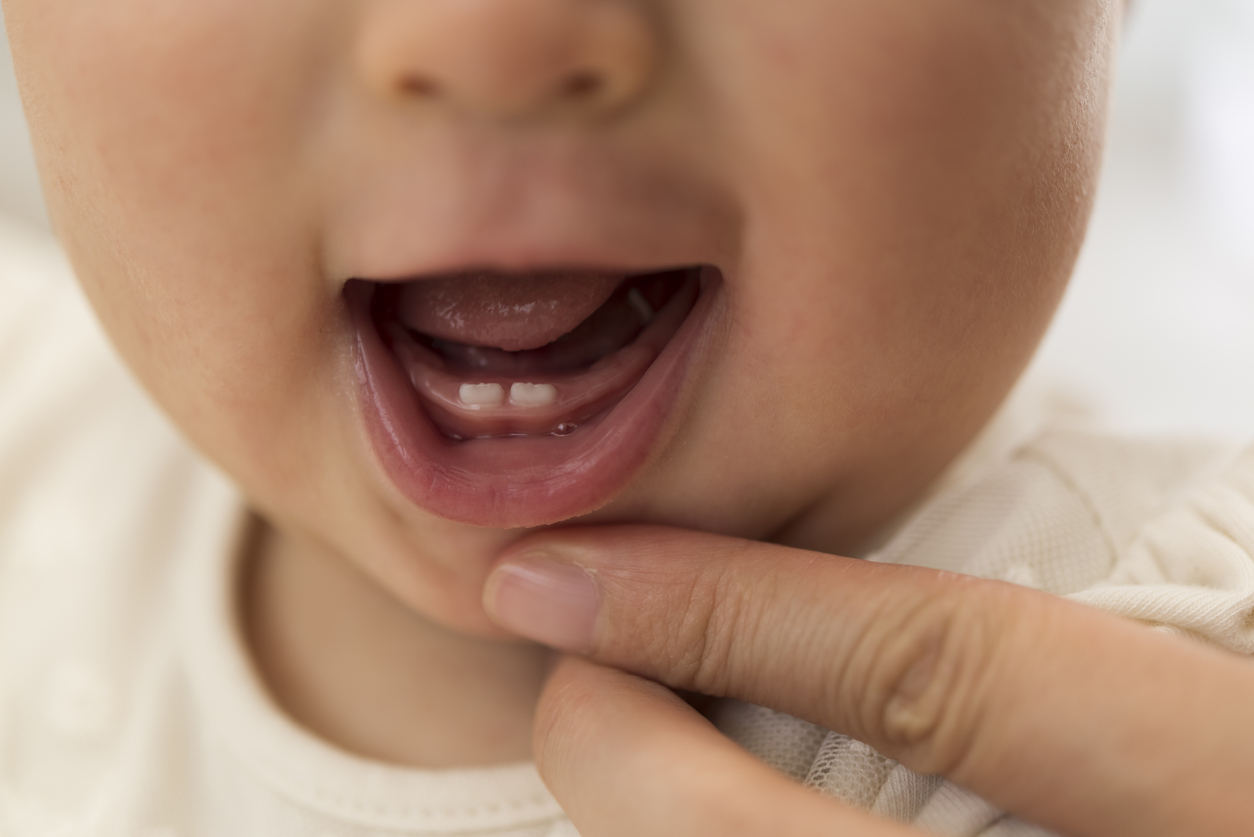
Most babies begin teething between 6 and 12 months of age.
While rare, some babies are born with teeth, and others may not see that first tooth until closer to their first birthday. Both scenarios can be completely normal.
Typically, the two bottom front teeth are the first to arrive.
When Should I Start Cleaning My Baby’s Mouth?
You should begin cleaning your baby’s mouth before the first tooth appears.
Use a soft, clean, damp cloth to gently wipe the gums daily. This helps remove bacteria and gets your baby used to oral care.
Once the first tooth appears, begin brushing twice daily with a soft infant toothbrush.
How Much Toothpaste Should My Child Use?

Yes, children should use fluoride toothpaste — even toddlers.
Here are current recommendations:
-
Under age 3: Use a smear the size of a grain of rice
-
Ages 3–6: Use a pea-sized amount
-
Ages 6+: Continue pea-sized, with supervision
Fluoride strengthens enamel and helps prevent cavities, especially in young developing teeth.
When Should My Baby See the Dentist for the First Time?
Your child should visit the dentist:
-
When their first tooth erupts
-
Or no later than their first birthday
Early visits allow us to:
-
Monitor growth and development
-
Identify early cavity risk
-
Answer feeding and thumb-sucking questions
-
Make dental visits feel normal and positive
At Bassett Creek Dental, we focus on making first visits fun, relaxed, and stress-free for both kids and parents.
When Can My Child Brush Their Teeth on Their Own?
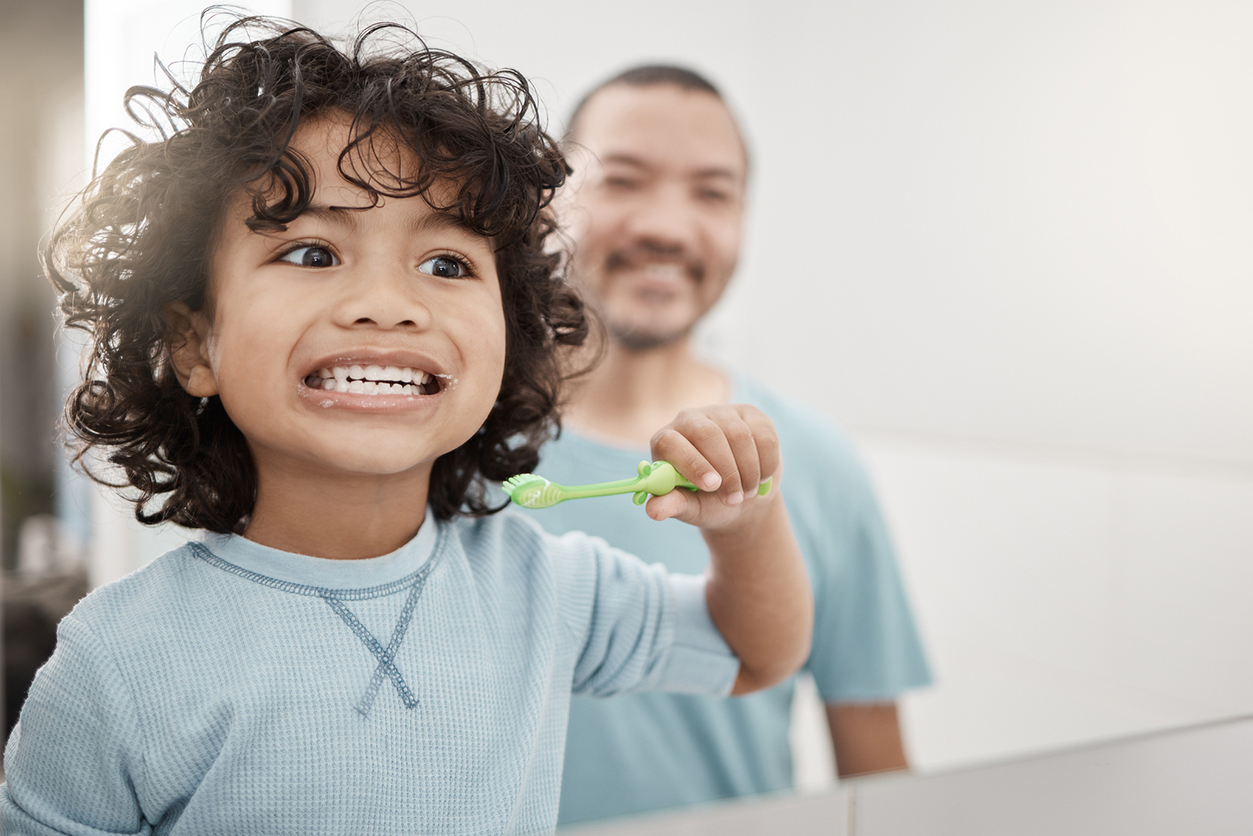
Most children lack the fine motor skills to brush effectively until around age 6 or 7.
Even after that, supervision is important.
A good rule of thumb:
If your child cannot tie their shoes independently, they likely need help brushing thoroughly.
Full independence often develops around 8–10 years old, but every child is different.
When Should I Start Flossing My Child’s Teeth?
Start flossing as soon as two teeth touch.
If teeth are touching, plaque can hide between them — and toothbrush bristles cannot reach those tight spaces.
Floss your child’s teeth once daily. As they get older, transition to supervised flossing until they develop the dexterity to do it properly on their own.
When Can My Child Floss Independently?
Most children can floss independently around age 9–10, but supervision is still helpful to ensure proper technique.
Floss picks can make this process easier for younger kids.
Do Baby Teeth Really Matter?
Yes. Absolutely.
Even though baby teeth eventually fall out, they are essential for:
-
Proper speech development
-
Healthy chewing and nutrition
-
Holding space for permanent teeth
-
Guiding jaw and facial development
-
Preventing pain and infection
Cavities in baby teeth can spread quickly and may impact permanent teeth forming underneath.
Even more importantly, early oral habits shape lifelong behavior. Children who grow up brushing, flossing, and visiting the dentist regularly are far more likely to maintain strong oral hygiene into adulthood.
What Are the Most Common Causes of Cavities in Children?
The biggest contributors include:
-
Frequent snacking on sugary foods
-
Sipping juice or milk before bed
-
Inconsistent brushing
-
Skipping flossing
-
Not visiting the dentist regularly
Prevention is always easier (and less expensive) than treatment.
How Often Should Kids See the Dentist?
Children should visit the dentist every six months for routine cleanings and exams.
Regular visits allow us to:
-
Catch small issues before they become big ones
-
Apply preventive treatments like sealants
-
Reinforce good brushing and flossing habits
-
Keep dental visits positive and routine
Have More Questions About Children’s Dental Health?
Parenting doesn’t come with a manual, but your child’s dental health shouldn’t be a mystery.
If you live in Golden Valley, Plymouth, Crystal, New Hope, Robbinsdale, or surrounding areas, we’d love to welcome your family.
Schedule your child’s visit today.
Let’s build healthy smiles that last a lifetime.