

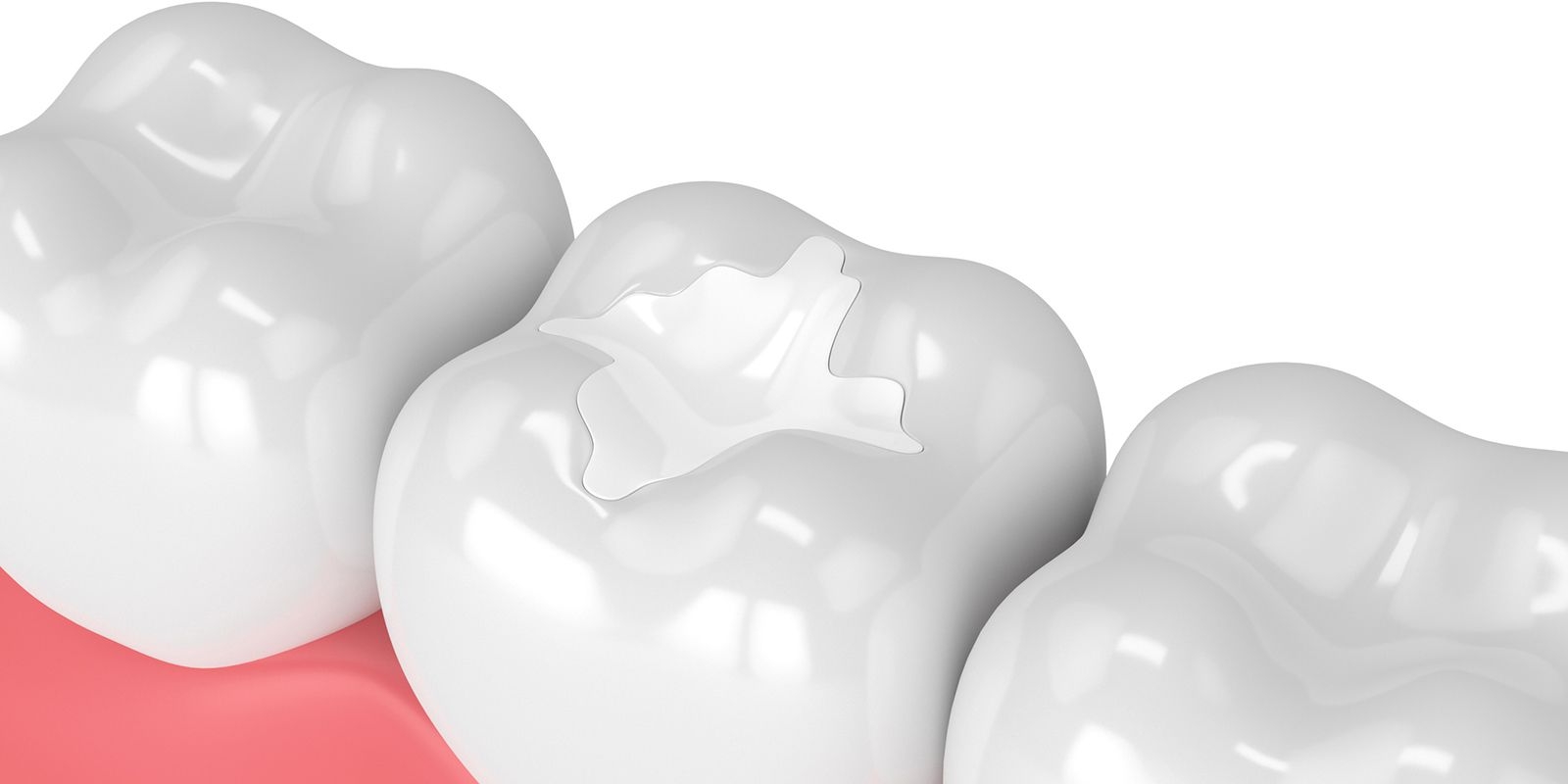
Brushing and flossing every day are the foundation of a healthy smile, but even the most consistent routines can miss certain areas of your teeth. Deep grooves and tiny crevices, especially on the back molars, can trap food and bacteria, making them more vulnerable to cavities.
That’s where dental sealants come in.
At Bassett Creek Dental, we often recommend sealants as a simple, effective way to help protect teeth from decay—especially for children, teens, and even some adults in Golden Valley, Plymouth, St. Louis Park, and surrounding communities.
What Are Dental Sealants?
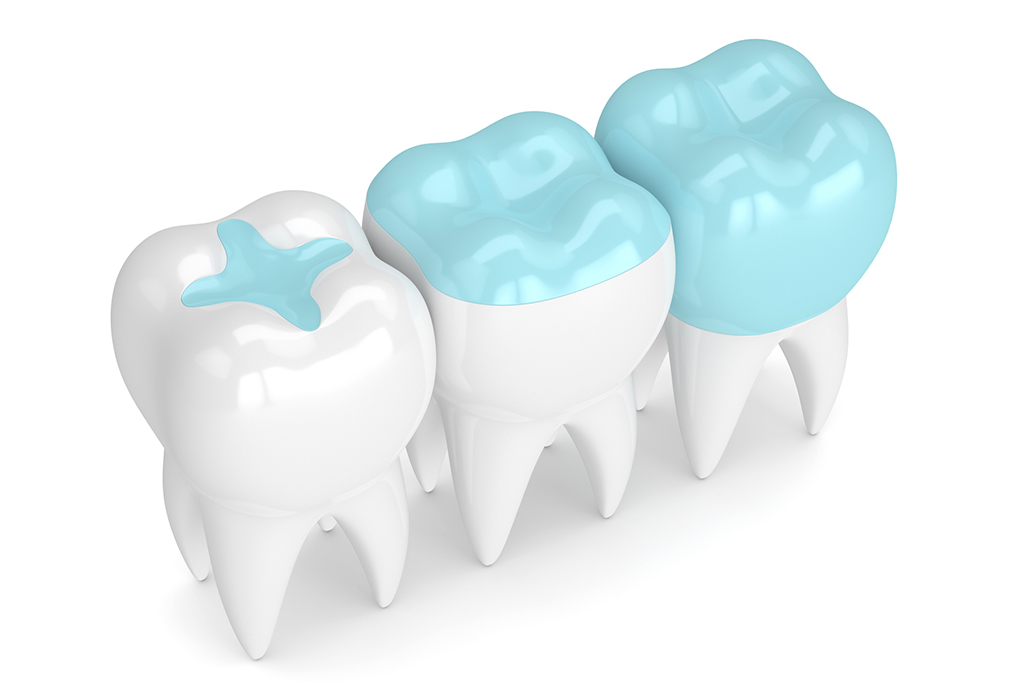
Dental sealants are thin, protective coatings that are applied to the chewing surfaces of back teeth (molars and premolars). These areas are naturally more difficult to clean due to their uneven surfaces.
Once applied, sealants create a smooth barrier that helps:
- Block out food particles
- Prevent bacteria from settling into grooves
- Reduce the risk of cavities
Think of sealants as an extra layer of protection—like a shield for the parts of your teeth that are hardest to reach with a toothbrush.
Why Are Dental Sealants Important?
Even with proper brushing and flossing, it’s easy to miss the deep grooves in molars. These areas are where many cavities begin, especially in children and teens.
Sealants help:
- Prevent tooth decay before it starts
- Reduce the need for future fillings
- Protect teeth during cavity-prone years
- Support long-term oral health
For many families we see at Bassett Creek Dental, sealants are one of the easiest and most effective preventive tools available.
Who Should Get Dental Sealants?

Children and Teens
Sealants are most commonly recommended for children when their permanent molars come in—typically between ages 6 and 12.
This is when:
- Teeth are most vulnerable to cavities
- Brushing habits are still developing
- Deep grooves are hardest to clean
Applying sealants early helps protect these teeth during critical years.
Adults
While sealants are often associated with children, adults can benefit too.
You may be a good candidate if:
- You have deep grooves in your molars
- You’ve had cavities in the past
- You want extra protection against decay
At Bassett Creek Dental, we evaluate each patient individually to determine if sealants are a good fit.
How Do Dental Sealants Work?

Cavities form when bacteria feed on sugars in your mouth and produce acids that break down enamel.
Sealants work by:
- Sealing off grooves where bacteria collect
- Preventing food from getting trapped
- Making teeth easier to clean
Without sealants, even a small missed spot during brushing can lead to decay over time.
What to Expect During the Sealant Process
One of the biggest benefits of dental sealants is how quick and easy they are to apply.
The process is:
- Completely painless
- Non-invasive
- Completed in just one visit
Step-by-Step:
- The tooth is cleaned and dried
- A gentle solution is applied to prepare the surface
- The tooth is rinsed and dried again
- The sealant is carefully painted onto the grooves
- A special curing light hardens the sealant in seconds
There is no drilling, no numbing, and no recovery time needed.
How Long Do Dental Sealants Last?
Sealants can last several years with proper care.
During your routine visits, we:
- Check the condition of your sealants
- Reapply them if needed
- Ensure they continue protecting your teeth
With regular dental checkups, sealants can provide long-lasting protection.
Are Dental Sealants Safe?
Yes—dental sealants are widely considered safe and have been used for decades.
They are:
- Approved for use in both children and adults
- Made from durable dental materials
- Designed to bond securely to the tooth surface
If you have questions or concerns, our team is always happy to walk you through the materials and process.
Do Sealants Replace Brushing and Flossing?
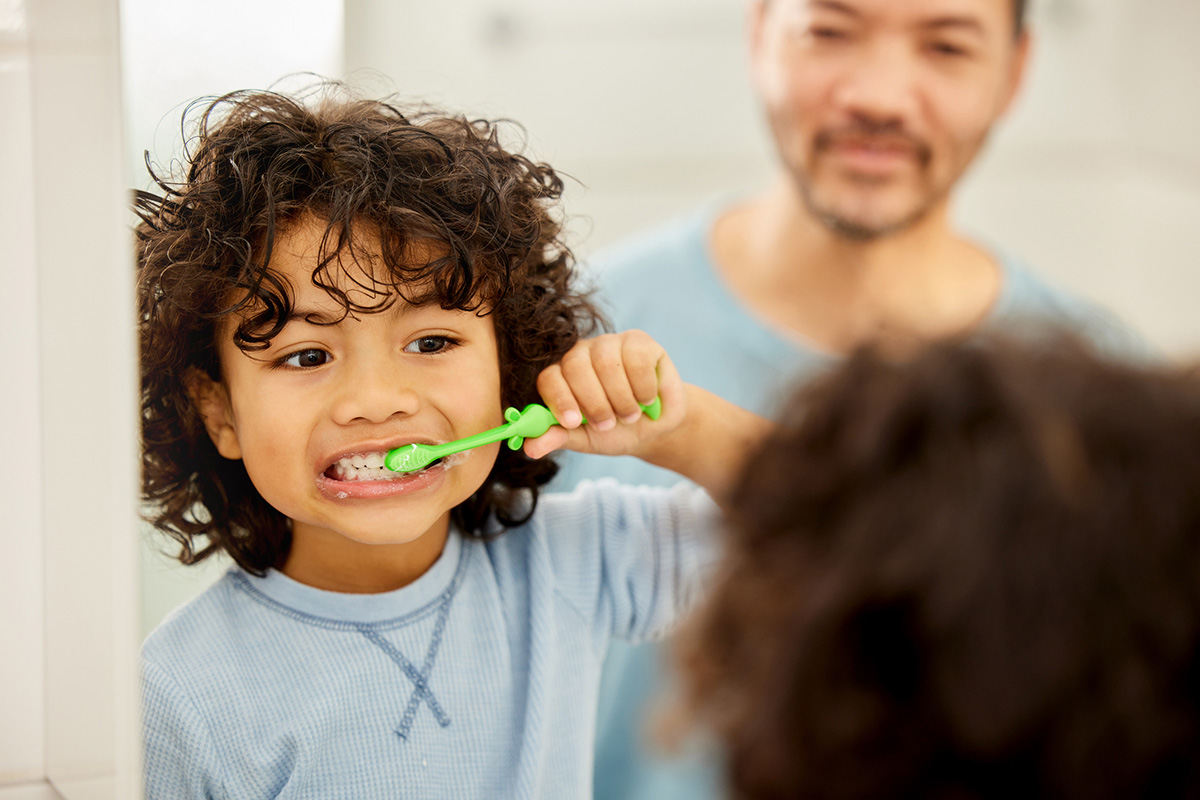
No, sealants are an added layer of protection, not a replacement.
You should still:
- Brush twice daily
- Floss once a day
- Maintain regular dental visits
Sealants simply help protect areas that are hardest to clean.
Signs You or Your Child May Benefit from Sealants
- Deep grooves in molars
- Frequent cavities
- Difficulty brushing back teeth effectively
- Newly erupted permanent molars
- High sugar intake or snacking habits
If you’re unsure, we can evaluate your teeth during your next visit.
Preventive Dental Care in Golden Valley, MN

At Bassett Creek Dental, we believe the best dental care is preventive care. Dental sealants are one of the simplest ways to protect your smile and avoid more complex treatments down the road.
We proudly serve families in:
- Golden Valley
- Plymouth
- St. Louis Park
- Minnetonka
- New Hope
- And surrounding areas
Schedule your visit online to learn if dental sealants are right for you or your child.
FAQ: Dental Sealants
What age should children get dental sealants?
Sealants are typically recommended when permanent molars come in, around ages 6–12.
Do dental sealants hurt?
No. The process is quick, comfortable, and completely pain-free.
How long do sealants last?
Sealants can last several years and are checked during routine dental visits.
Can adults get dental sealants?
Yes. Adults with deep grooves or cavity risk may benefit from sealants.
Do sealants prevent all cavities?
Sealants greatly reduce the risk of cavities in treated areas, but good oral hygiene is still essential.