

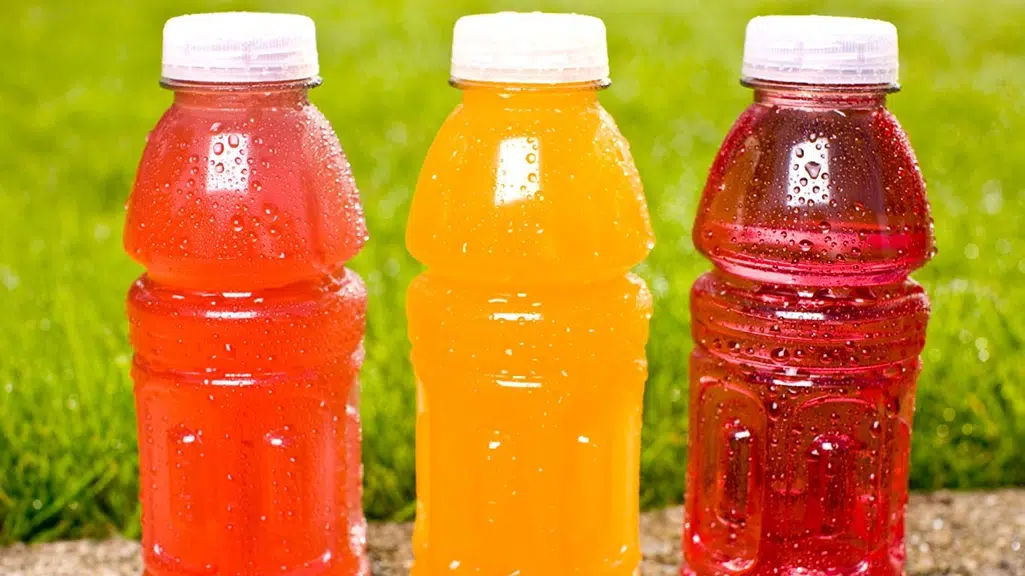
Sports drinks have pulled off one of the greatest marketing tricks of the last twenty years. They sit in the healthy-ish category in most people’s minds. Athletes drink them. Kids grab one after soccer games. The bottles have lightning bolts and words like electrolytes and hydration splashed across them. Compared to soda, they feel like the responsible choice.
But when it comes to your teeth, sports drinks are often just as damaging as soda. In some situations, they are worse. That surprises most people.
At Bassett Creek Dental in Golden Valley, we see this pattern consistently in teenagers, athletes, and adults who sip sports drinks throughout the day thinking they are making a healthier choice. The issue is not just sugar. It is the combination of sugar, acid, and exposure time that creates the perfect environment for enamel damage. Here is what is actually going on.
Sports Drinks Hit Your Teeth From Two Directions at Once
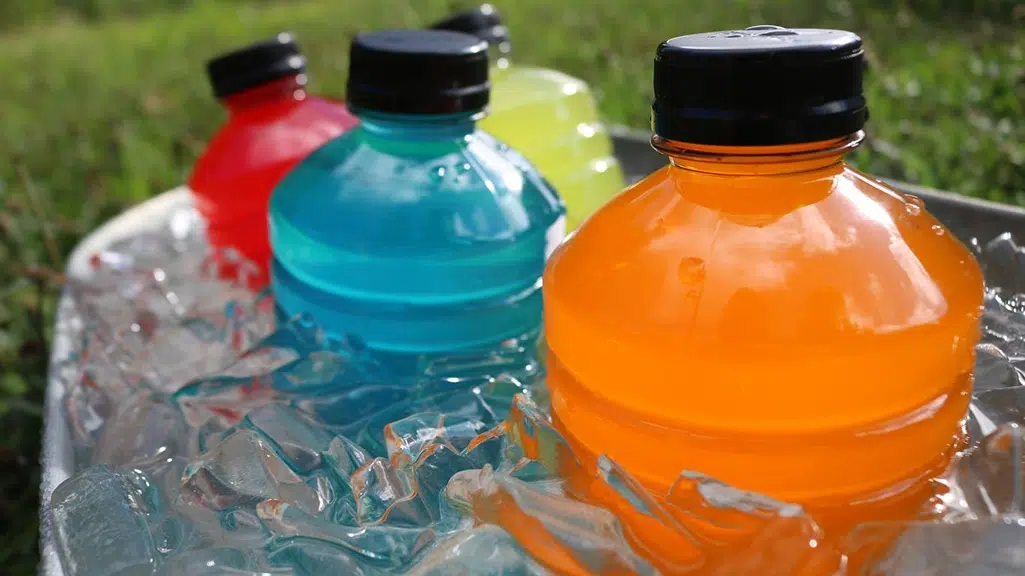
Most people assume sugary drinks damage teeth because of the sugar alone. Sports drinks are more complicated than that.
First, the sugar feeds bacteria in your mouth. Those bacteria produce acid as a byproduct, which attacks tooth enamel and raises cavity risk. That part most people know.
But sports drinks are already acidic before bacteria even get involved. So your teeth are dealing with direct acid from the drink itself plus additional acid from bacteria feeding on the sugar at the same time.
This double hit can drop the pH in your mouth quickly. Once it falls below roughly 5.5, enamel begins losing minerals in a process called demineralization. Repeated exposure over time weakens enamel enough to cause sensitivity, discoloration, and cavities. Some citrus-flavored sports drinks test at erosion levels similar to soda, which is not something most people expect.
Why Sports Drinks Can Sometimes Be Worse Than Soda
The answer usually comes down to how people drink them, not what is in them.
Most people drink soda in a defined window. A can with lunch, a fountain drink at dinner. Not great for teeth, but consumed and done.
Sports drinks are different. People sip them slowly during workouts, carry them around for hours, and drink them gradually through practices and games. That slow, constant sipping is genuinely brutal on enamel.
Every sip restarts the acid attack cycle. Instead of one exposure window followed by recovery time, your teeth can spend hours in a low-pH environment with no chance for saliva to neutralize the acid. This is one of the most important and least understood things in dentistry: frequency of exposure often matters more than total quantity. A single sports drink finished quickly is far less damaging than nursing the same one over a three-hour baseball tournament.
Exercise Makes the Problem Even Worse
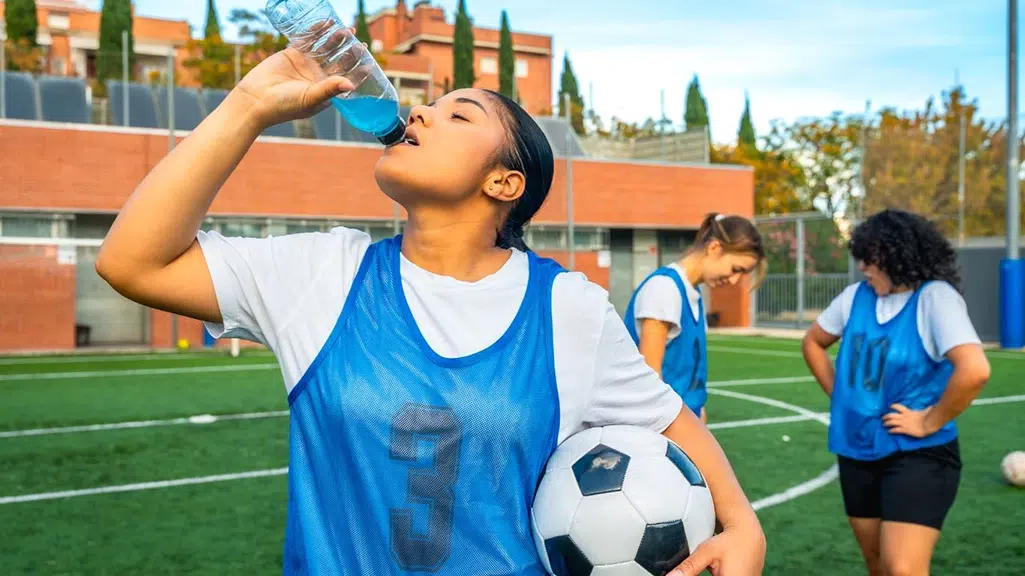
Add exercise into the picture and things get more complicated. When you work out intensely, especially during a Minnesota summer, dehydration and mouth breathing reduce saliva production. That matters more than most people realize.
Saliva is one of your mouth’s primary defense systems. It neutralizes acid, washes away sugar, restores minerals to enamel, and keeps bacterial buildup in check. Sports drinks are typically consumed during the exact moments when saliva protection is already reduced, which leaves teeth significantly more vulnerable to acid damage.
This is why teen athletes involved in year-round sports sometimes show surprisingly aggressive enamel wear despite otherwise healthy habits. The combination of frequent sports drink use, prolonged sipping, and exercise-related dry mouth adds up fast.
What About Sugar-Free Sports Drinks?
Better, but not harmless.
Removing sugar takes away one part of the problem since bacteria can no longer feed and produce acid the same way. But many sugar-free sports drinks still contain citric acid, phosphoric acid, and other flavor acids that can erode enamel even without sugar in the picture.
Sugar-free is genuinely the better choice for cavity risk. It is not automatically tooth-friendly. Enamel erosion from acidity alone is still a real concern with frequent use.
Who Actually Needs Sports Drinks?
Fewer people than the marketing would suggest.
For most casual workouts under an hour, water handles hydration completely fine. Sports drinks genuinely earn their place during prolonged endurance exercise, intense athletic activity, heavy sweating, and situations involving real electrolyte depletion.
The problem is that plenty of people drink them while sitting at a desk, driving, doing light workouts, or simply because they like the taste. In those situations your body does not actually need what the drink is offering, but your teeth are still absorbing the acid and sugar regardless. That is a trade-off that is hard to justify.
How to Protect Your Teeth If You Drink Sports Drinks
We are not going to tell athletes to give them up entirely. Sometimes they serve a real purpose. But there are practical ways to reduce the damage significantly.
Drink water alongside them
Alternating sports drinks with water dilutes acids and sugars and supports saliva production. Even rinsing with water after finishing a sports drink makes a meaningful difference.
Stop sipping, start drinking
Consume the drink in a shorter window rather than carrying it around for hours. The goal is giving your mouth real recovery time between exposures. This single habit change makes a bigger difference than most people expect.
Use a straw
A straw reduces direct contact between the liquid and your front enamel surfaces. Not a complete fix, but a worthwhile habit especially for kids and teens.
Wait before brushing
Sports drinks temporarily soften enamel because of their acidity. Brushing immediately afterward can scrub away weakened enamel and do more harm than good. Rinse with water, wait about 30 minutes, and let saliva help rebalance your mouth before brushing.
Stay consistent with preventive care
Athletes and teens who regularly consume sports drinks should be especially consistent with fluoride toothpaste, flossing, and their twice-yearly cleanings and exams. Early enamel erosion is often something we catch before patients notice any symptoms. Catching it early keeps the options simple.
The Bottom Line
Are sports drinks worse than soda for your teeth? Sometimes, yes. Not necessarily because they contain more sugar, but because people consume them differently. Constant sipping, exercise-related dry mouth, and high acidity create conditions that are genuinely hard on enamel over time.
The good news is that most of the damage is preventable with smarter habits and regular dental visits. Water, better timing, good home care, and showing up for cleanings go a long way toward protecting your teeth without asking you to give up the activities you love.
If you are noticing tooth sensitivity, enamel wear, or just want to understand how your habits are affecting your teeth, we would love to help. Bassett Creek Dental serves families throughout Golden Valley and the surrounding west metro with preventive, family, and cosmetic dental care in an environment where you will actually enjoy coming in. Call us at 763-546-1301 or request an appointment online.
Frequently Asked Questions
Are sports drinks bad for your teeth?
Yes. Most sports drinks contain both sugar and acid, which weaken enamel and increase cavity risk over time. Frequent sipping makes the problem significantly worse because it extends acid exposure throughout the day and prevents your mouth from recovering between attacks.
Are sports drinks worse than soda for teeth?
In some cases, yes. Sports drinks are often consumed slowly over long periods during workouts or practices, which can expose teeth to acid for hours at a time. Some citrus-flavored sports drinks are also as acidic as soda. The combination of acidity and sipping behavior makes them a significant concern for dental health.
Do sugar-free sports drinks still damage teeth?
They can. Even without sugar, many sugar-free sports drinks still contain citric and phosphoric acids that erode enamel with frequent use. They are a better choice for cavity prevention than regular sports drinks, but sugar-free does not mean tooth-safe.
Is Gatorade bad for your teeth?
Gatorade and similar sports drinks can contribute to enamel erosion and cavities because they contain both sugar and acid. Occasional use during intense exercise is very different from sipping one casually throughout the day. Context and frequency matter a lot here.
What should athletes drink instead?
For most casual workouts under an hour, water is the best option for both hydration and dental health. Sports drinks are more appropriate for prolonged or intense exercise with significant sweating and electrolyte loss. When sports drinks are necessary, drinking them in a shorter window, using a straw, and rinsing with water afterward all help reduce dental damage.
How can I protect my teeth if I drink sports drinks regularly?
Drink water alongside them, avoid sipping slowly for long periods, rinse your mouth with water after finishing, wait about 30 minutes before brushing, and stay consistent with brushing with fluoride toothpaste, flossing, and twice-yearly dental cleanings. Early enamel erosion is often caught at routine checkups before it becomes a bigger problem.