

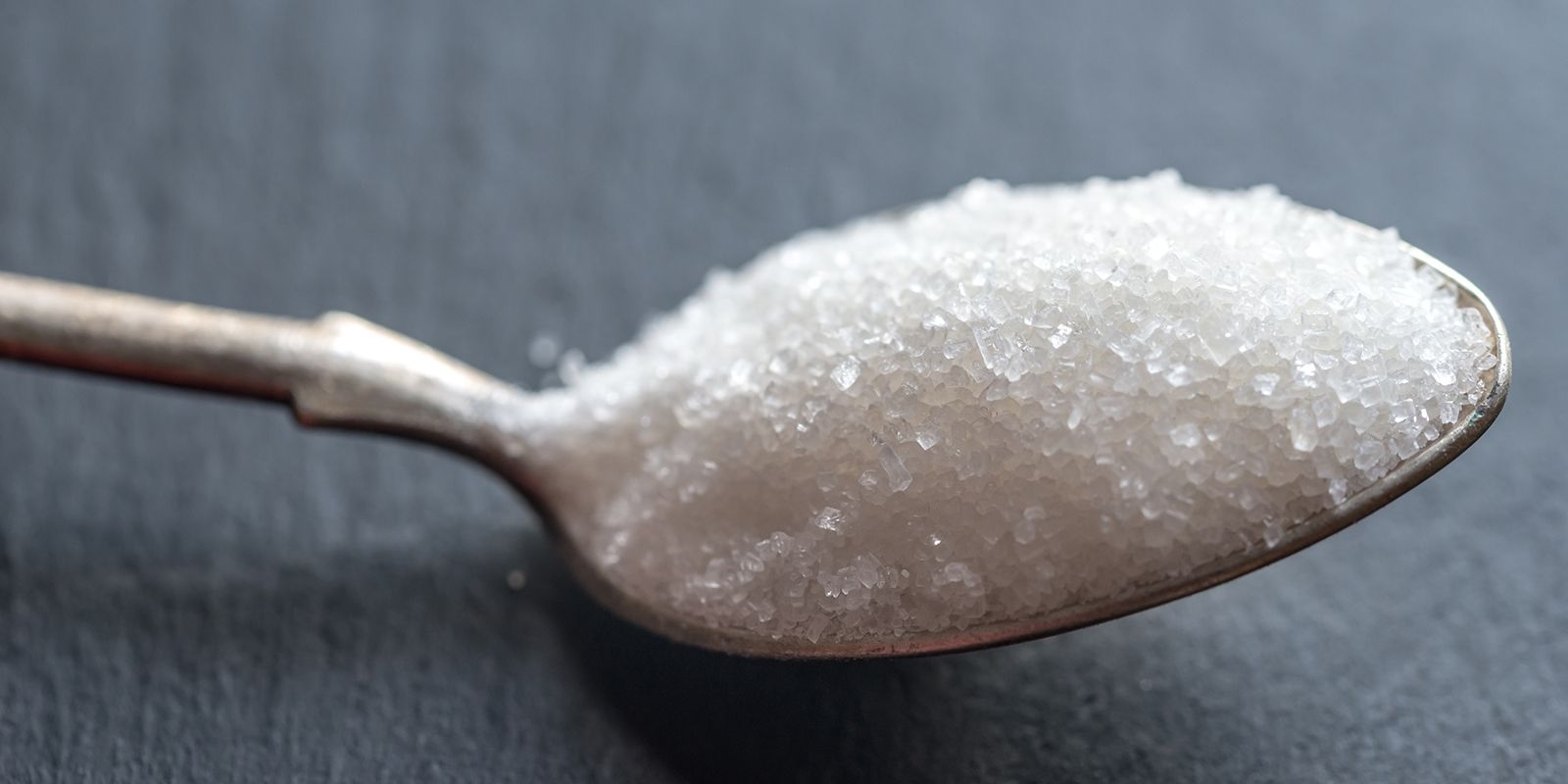
We all know sugar can lead to cavities, but what many people don’t realize is how often it shows up in foods we think are “healthy.” At Bassett Creek Dental, we regularly talk with patients in Golden Valley, Plymouth, St. Louis Park, and Minnetonka about how hidden sugars can quietly impact oral health.
If you’re brushing and flossing consistently but still dealing with cavities, your diet may be playing a bigger role than you think.
Why Sugar Is Harmful for Your Teeth

Sugar feeds the bacteria in your mouth, which produce acids that weaken enamel and lead to cavities. The more frequently your teeth are exposed to sugar, especially throughout the day, the higher your risk for decay.
Hidden sugars are especially tricky because you may be consuming them without realizing it.
Common Foods with Hidden Sugar
1. Salad Dressings
Salads are a great choice—but many store-bought dressings contain 5–7 grams of added sugar in just two tablespoons.
Better option: Choose a simple olive oil and vinegar dressing or make your own at home.
2. Flavored Yogurt
Yogurt can be great for your gut and your smile—but flavored varieties often contain 17–30+ grams of sugar per serving.
Better option: Plain yogurt with fresh fruit or berries for natural sweetness.
3. Instant Oatmeal
Oatmeal is a healthy staple, but flavored instant packets can contain 10–15 grams of sugar per serving.
Better option: Plain oats with nuts, cinnamon, and fruit.
4. Pasta Sauce
Many people are surprised to learn that some pasta sauces contain up to 10–12 grams of sugar per serving.
Better option: Look for low-sugar options or make your own using simple ingredients.
Drinks with Hidden Sugar

It’s not just food, many everyday drinks are some of the biggest sources of hidden sugar. Because drinks coat your teeth and are often sipped throughout the day, they can increase your risk for cavities even more than food.
5. Coffee Drinks and Flavored Creamers
That morning coffee may not be as harmless as it seems. Flavored creamers and specialty coffee drinks can contain 15–30 grams of sugar per serving.
Better option: Black coffee, or add a small amount of milk or unsweetened creamer.
6. Smoothies and Juice Drinks
Smoothies and juices can sound healthy, but many contain high levels of natural and added sugars—sometimes as much as soda.
Better option: Whole fruit instead of juice, or smoothies made at home with no added sugar.
7. Sports Drinks and Energy Drinks
Energy drinks are often marketed as “performance” beverages, but many contain 20–40 grams of sugar and are highly acidic—making them especially damaging to enamel.
Better option: Water is usually all you need. For longer workouts, choose low-sugar or electrolyte-balanced options.
8. Soda (Regular and Even Some Alternatives)
Soda is one of the most well-known culprits, with about 35–40 grams of sugar per can. It also contains acid that weakens enamel.
Better option: Sparkling water or flavored water with no added sugar.
9. Sweetened Teas and Lemonades
These often seem lighter than soda but can still contain 20+ grams of sugar per serving, especially bottled or restaurant versions.
Better option: Unsweetened iced tea or water with fresh lemon.
Why Sugary Drinks Are Especially Harmful
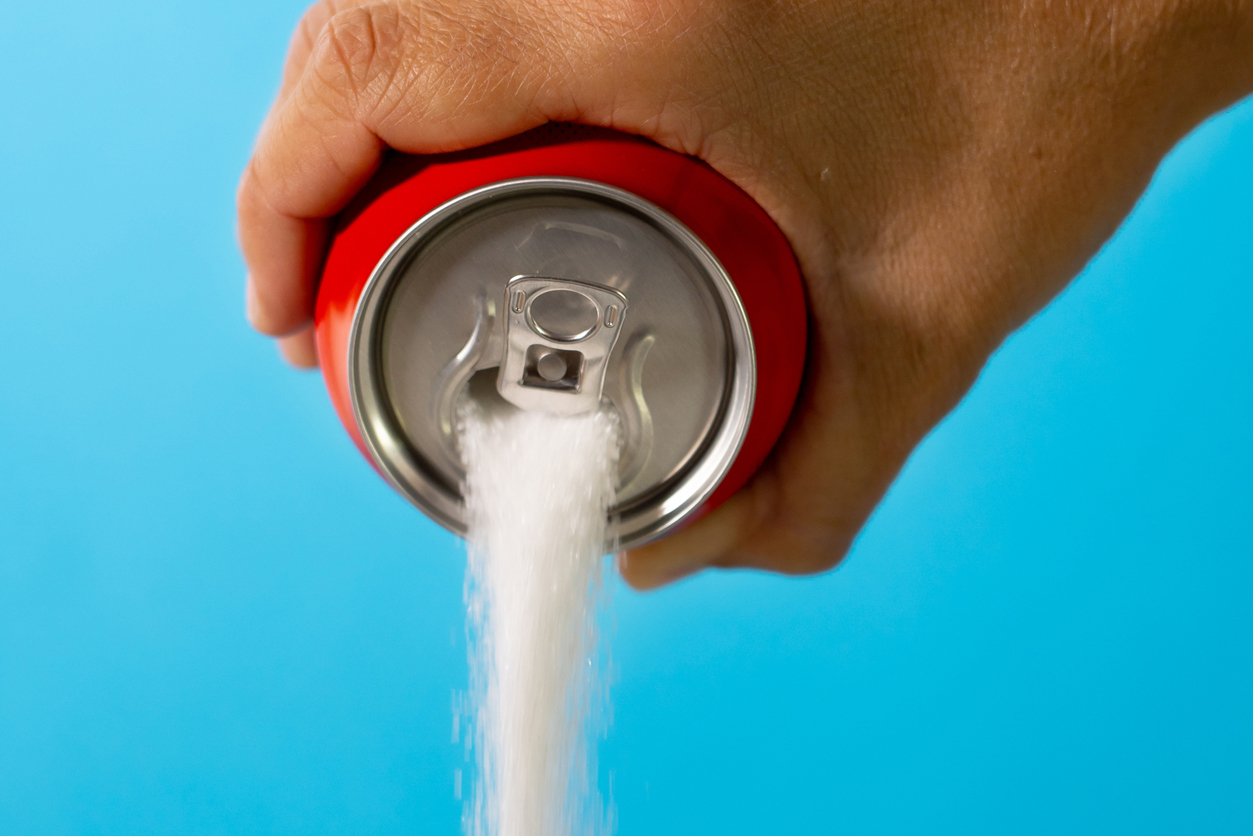
Unlike food, drinks:
- Coat your teeth quickly
- Are often sipped over time, extending exposure
- Combine sugar + acid, which weakens enamel faster
Even small, frequent sips throughout the day can increase your risk for cavities.
Simple Tips to Protect Your Teeth from Sugary Drinks
- Drink sugary beverages with meals instead of sipping all day
- Use a straw to reduce contact with teeth
- Rinse your mouth with water afterward
- Wait 30 minutes before brushing after acidic drinks
- Choose water whenever possible
How to Spot Hidden Sugar on Labels
Learning how to read food labels is one of the best ways to protect your teeth.
What to Look For:
- Serving size: Many packages contain multiple servings
- Total sugar vs. added sugar: Focus on minimizing added sugar
- Ingredient list: Ingredients are listed in order of quantity
- If sugar is in the first 3 ingredients, it’s a red flag
Common Names for Sugar:
Sugar doesn’t always appear as “sugar.” Watch for:
- High fructose corn syrup
- Cane sugar
- Dextrose
- Sucrose
- Syrup (any kind)
How to Reduce Sugar for Better Oral Health

You don’t have to eliminate sugar completely, but small changes can make a big difference:
- Drink water after meals
- Limit frequent snacking
- Choose whole, unprocessed foods
- Brush twice daily and floss once a day
- Schedule regular dental cleanings
Protecting Your Smile in Golden Valley, MN
At Bassett Creek Dental, we believe prevention is everything. Understanding where sugar hides, and how it affects your teeth, can help you avoid cavities and keep your smile healthy long-term.
Proudly serving Golden Valley, Plymouth, St. Louis Park, Minnetonka, and surrounding areas. Schedule your visit online
FAQ: Hidden Sugar and Oral Health
What foods have the most hidden sugar?
Common culprits include salad dressings, flavored yogurt, granola bars, pasta sauces, and instant oatmeal.
How does sugar cause cavities?
Sugar feeds bacteria in your mouth, which produce acid that breaks down tooth enamel.
Is natural sugar bad for your teeth?
Natural sugars (like those in fruit) are less harmful when eaten in whole foods, but frequent exposure can still contribute to decay.
How much sugar is too much for your teeth?
Limiting added sugar intake helps reduce cavity risk. Frequency matters just as much as quantity.
Can brushing prevent sugar damage?
Brushing helps, but reducing sugar exposure throughout the day is key to preventing cavities.