

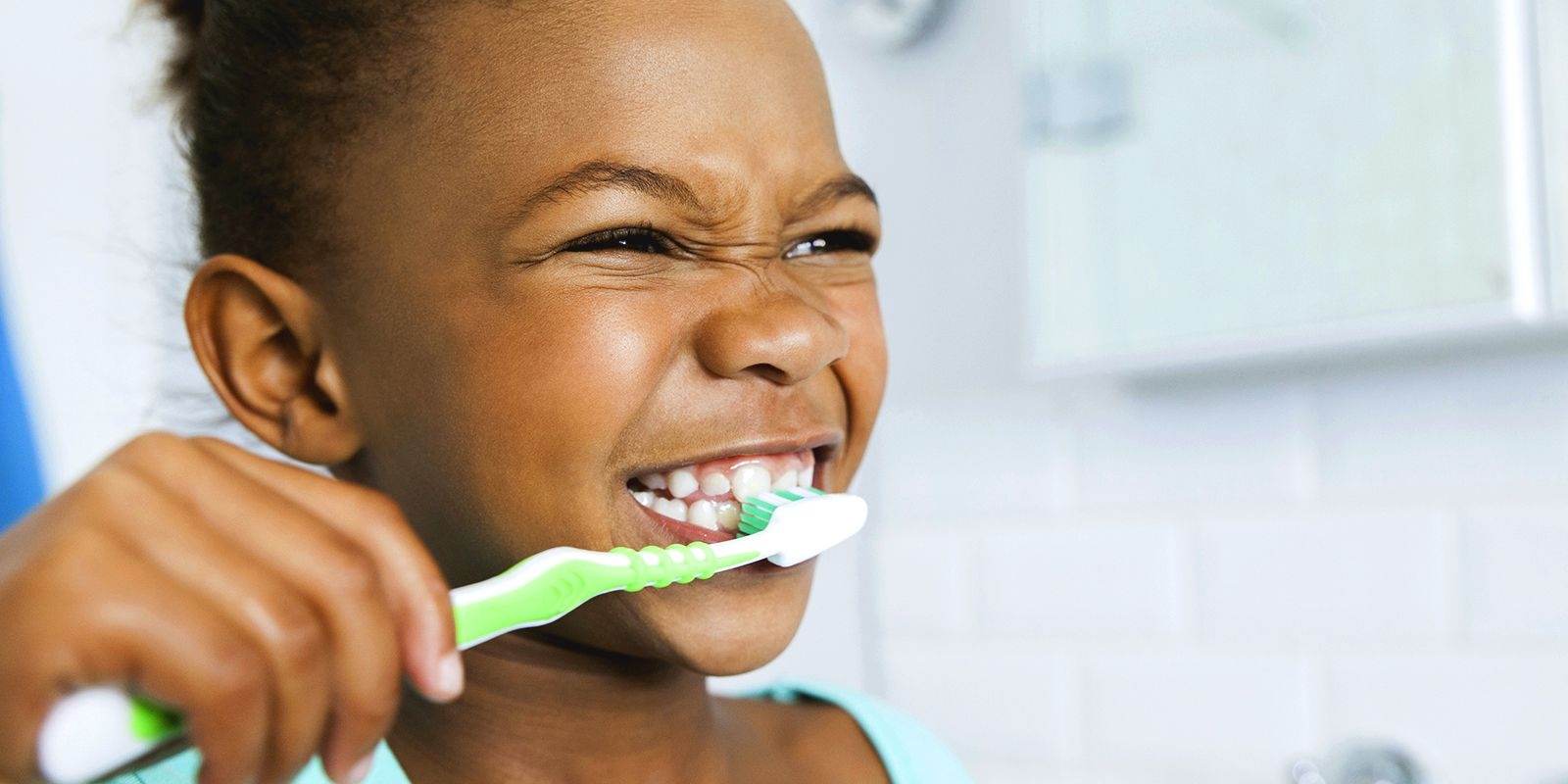
Let’s be real, getting kids to brush their teeth can feel like negotiating a hostage situation some nights. You’re tired, they’re stalling, and somehow the two minutes it takes to brush has turned into a 20-minute standoff over whether the toothpaste tastes “too minty.”
We get it. And we’re here to help.
Cavities are the most common chronic disease in children in the U.S., more common than asthma and more common than diabetes. But here’s the thing: they’re almost entirely preventable. A few solid habits, started early, make an enormous difference. Here’s what actually works.
Start Earlier Than You Think
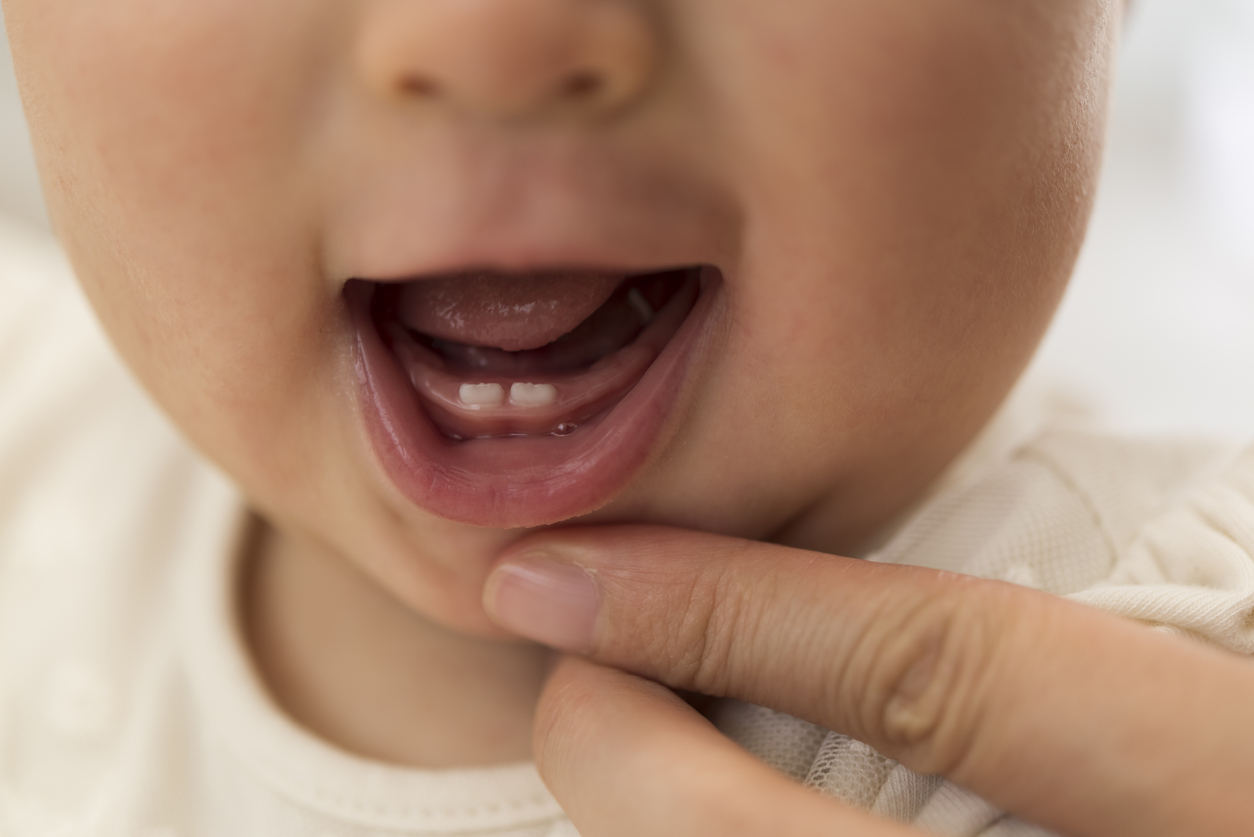
The moment your baby sprouts their first tooth, it’s game time. We know it feels excessive. What’s one little tooth going to do? But starting a brushing routine from the very beginning means oral care becomes just… normal. Part of the day. Not a thing to argue about.
And yes, baby teeth matter. A lot. They hold space for permanent teeth, help with speech, and make it possible for your kid to actually chew their food. A cavity in a baby tooth isn’t something to brush off (pun intended). Untreated, it can cause pain, infection, and headaches for how the adult teeth come in down the road.
Brush Together
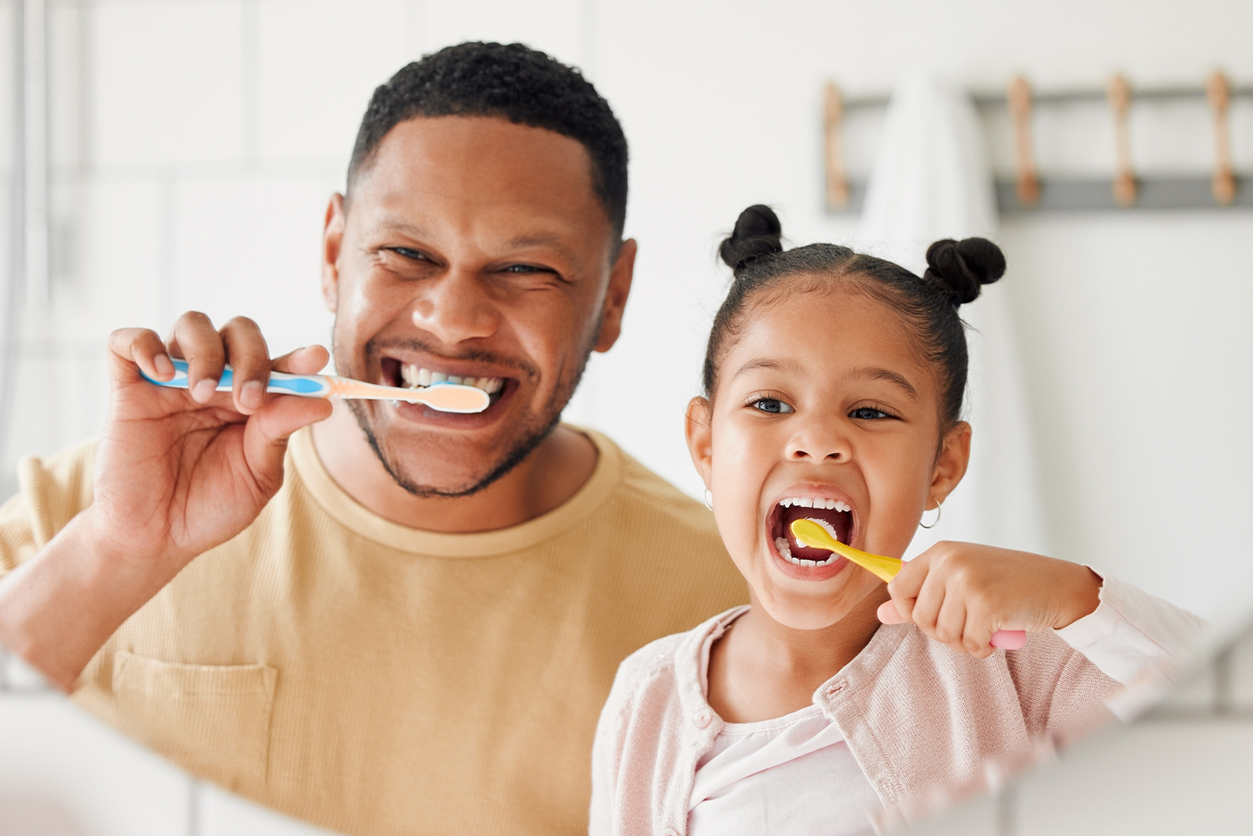
Here’s a low-effort, high-impact move: brush at the same time as your kids. Not hovering over them. With them. Same time, every morning and every night, no exceptions.
Kids copy what they see. If brushing is just something everyone in the house does, it stops being a battle and starts being a routine. Throw on a two-minute song, let them pick their own toothbrush (yes, even the one with the cartoon character), and make it something you do together rather than something you make them do.
Don’t Skip the Floss
Brushing gets the surfaces. Flossing gets the sneaky spots in between teeth where cavities love to set up camp. Once your kid has two teeth that touch, flossing is part of the deal.
Floss picks are a game changer for younger kids, much easier to manage than regular floss. Make it part of the nighttime routine right after brushing and it becomes a non-issue surprisingly fast.
Sugar: It’s Not Just About How Much, It’s About How Often

Here’s something a lot of parents don’t realize: it’s not just the amount of sugar that causes cavities, it’s how often your kid’s teeth are exposed to it. Every time they eat something sugary, bacteria in the mouth produce acid that attacks enamel for up to 20 minutes. One cookie after lunch? Fine. Sipping apple juice all afternoon? That’s a lot of acid exposure.
Practical swaps that help:
- Trade sticky, gummy treats (fruit snacks, we’re looking at you) for options that don’t cling to teeth
- Offer crunchy snacks like apples, carrots, or cheese. These actually help clean teeth as kids chew, and cheese even helps neutralize acid in the mouth
- If juice is happening, have them drink it in one sitting rather than carrying it around all day
- Follow anything sugary with a glass of water to rinse things out
Water Is Lowkey a Dental Superhero
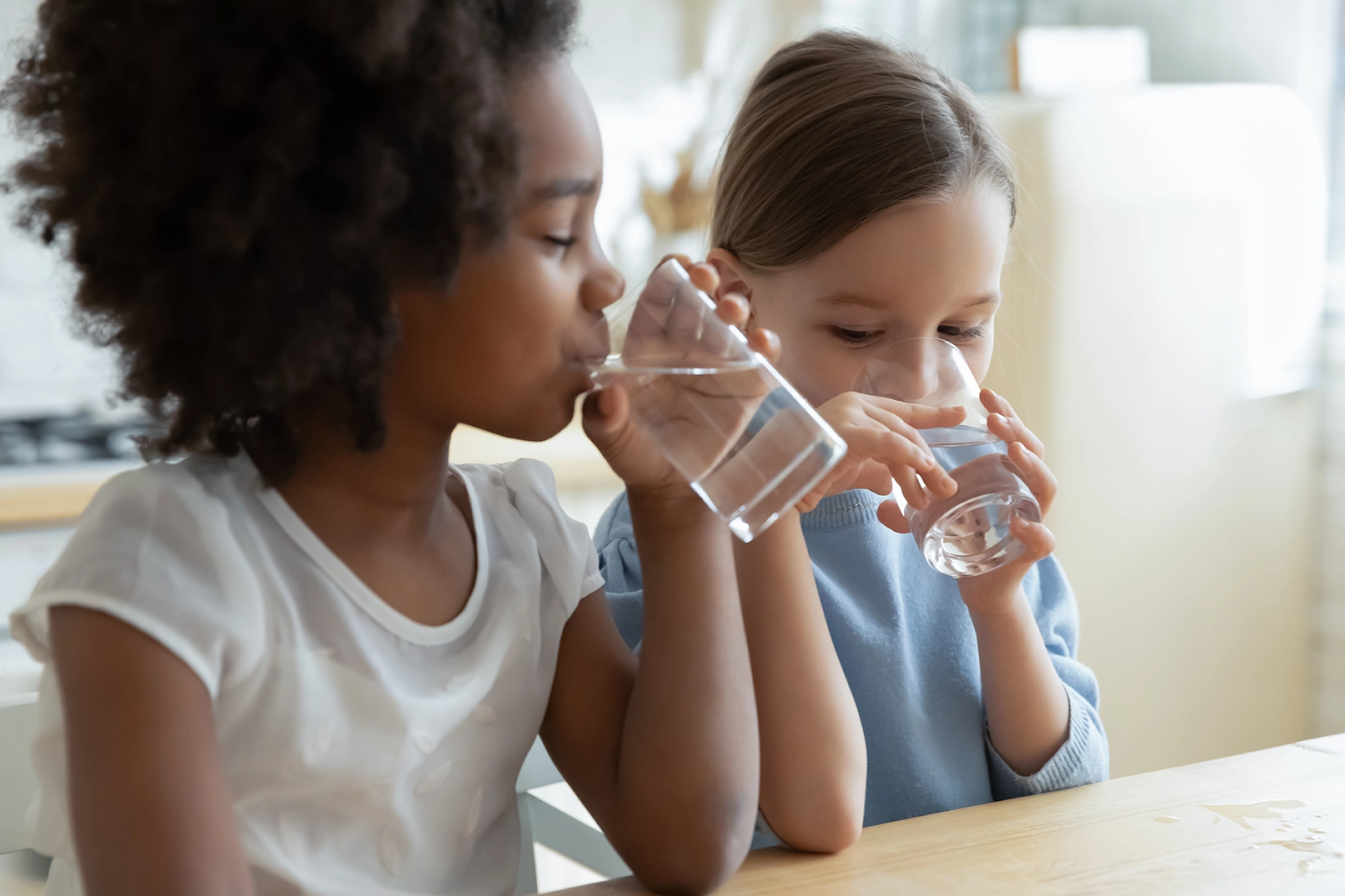
Plain old water, especially fluoridated tap water, is one of the best things your kid can drink for their teeth. It rinses away bacteria, helps neutralize acids, and delivers fluoride that strengthens enamel. After sugary snacks or drinks, a glass of water does more than most people realize.
If your household has drifted into juice-with-every-meal territory, slowly swapping some of that out for water is one of the easiest wins you can make for their dental health.
Come See Us Before Something Goes Wrong
The best dental visit is a boring one: a cleaning, a quick exam, a sticker on the way out. The goal is to keep it that way.
Regular visits let us catch small things before they turn into big things, and they help your kids get comfortable with the dentist before there’s ever anything to treat. The American Academy of Pediatric Dentistry recommends a first visit by age one, or within six months of that first tooth. Starting early means the dentist becomes a familiar, no-big-deal place and that pays off for years.
Frequently Asked Questions About Cavity Prevention in Kids
When should I start brushing my child’s teeth?
As soon as that first tooth shows up, usually around six months. Start with a soft infant toothbrush and a tiny smear of fluoride toothpaste (think grain of rice). By age three you can bump it up to a pea-sized amount.
When do kids need to start flossing?
Once two teeth touch, it’s time. That typically happens somewhere between ages two and three. Plan on helping them until they’re around eight or so, since most kids don’t quite have the hand coordination to do it effectively on their own before that.
Is juice really that bad for teeth?
It’s not that juice is evil, it’s the way it’s usually consumed. Sipping it slowly over a long period keeps teeth in a constant state of acid exposure. If juice is in the picture, have kids drink it with a meal or in one sitting, then follow it with water.
Are baby teeth really worth protecting?
100%. Baby teeth hold space for permanent teeth, support speech development, and affect how adult teeth eventually come in. Decay in a baby tooth can lead to pain and infection, and skipping care on them can cause real problems later. They deserve the same attention as permanent teeth.
Is fluoride toothpaste safe for little ones?
Yes, in the right amounts. A rice-grain smear for kids under three, a pea-sized amount for ages three to six. Fluoride is one of the most effective cavity-fighters we have.
When should my child have their first dental appointment?
By their first birthday, or within six months of their first tooth, whichever comes first. We know that feels early, but it sets the foundation for everything that comes after.