


It is 2pm, your focus is gone, and you are reaching for a can of something that promises to fix that. No judgment here. Up to 64% of people say they drink energy drinks regularly. But if you are making that a regular habit, your teeth are paying a price you might not be thinking about.
The Sugar Problem (Yes, You Already Knew This One)
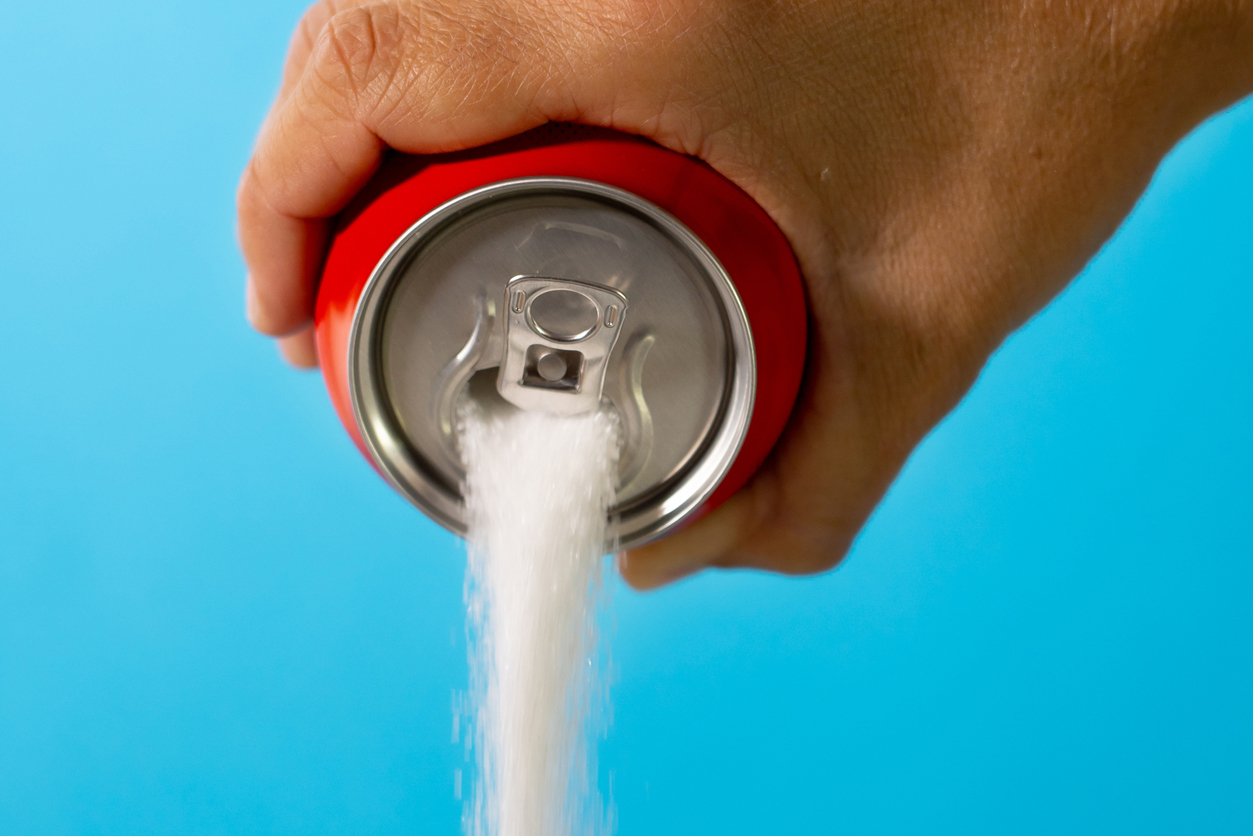
Bacteria in your mouth love sugar. When you drink something loaded with it and most energy drinks absolutely are, you are essentially throwing a party for the bacteria responsible for tooth decay. They feed on that sugar, multiply, and produce acid as a byproduct. That acid attacks your enamel. Over time, the bacteria harden into plaque, which needs to be professionally removed. Left unchecked, you are looking at cavities, gum disease, and a whole lot of dental work that nobody wants.
The volume is one thing. The bigger issue is how people tend to drink energy drinks: slowly, over a long stretch of time. Every sip resets the acid attack on your enamel. So that one can you nursed through your afternoon meeting? That was hours of acid exposure.
What About Sugar-Free Energy Drinks?
Here is the part that surprises most people: sugar-free is not the get-out-of-jail-free card it seems like.
When manufacturers remove sugar, they typically replace it with acidic ingredients to maintain the flavor profile. Citric acid, phosphoric acid, and similar compounds show up in most sugar-free energy drinks, and they are just as hard on enamel as sugar. Acid erosion wears down the outer layer of your teeth, making them more sensitive, more vulnerable to decay, and over time, visibly thinner.
So while sugar-free might be a better call for your blood sugar, it is not doing your teeth any favors.
The Sipping Problem

Whether it is regular or sugar-free, one of the worst things you can do with an energy drink is sip it slowly throughout the day. Every time liquid hits your teeth, it triggers an acid response in the mouth that lasts up to 20 minutes. Sipping constantly means your enamel never gets a break.
If you are going to drink one, drink it relatively quickly and follow it with water. Not a perfect solution, but meaningfully better than a four-hour slow drip.
Better Options That Actually Work

We are not going to tell you to just drink water and go to bed earlier (although, for the record, that does work). Here are some real alternatives that give you the caffeine hit without the dental damage:
Green tea. This is the one we genuinely get excited about recommending. An 8-ounce serving has around 40mg of caffeine, which is a gentler lift than an energy drink but real enough to matter. More importantly, multiple studies have shown that unsweetened green tea actively helps protect against cavities and reduce tooth decay. It contains compounds that inhibit the bacteria responsible for decay. It is the rare case where what is good for your energy is also good for your teeth.
Espresso. Two shots clock in around 180mg of caffeine, which is a serious boost. And because espresso is typically consumed quickly rather than sipped over an hour, it spends far less time in contact with your teeth. Black coffee in general is much easier on your enamel than energy drinks, and espresso is the most efficient version of that. Just skip the added sugar.
Dark chocolate. Hear us out. Dark chocolate contains small but real amounts of caffeine, and emerging research suggests it may actually fight cavities, plaque, and tooth decay. It is a good source of polyphenols, natural compounds that help limit the activity of oral bacteria. Obviously portion size matters, and we are not suggesting you replace your energy drink with a candy bar, but a square or two of good dark chocolate as an afternoon pick-me-up is a legitimately solid option.
The Bigger Picture
Energy drinks are not just a dental issue. The high caffeine content, combined with other stimulants found in many of these drinks, has been linked to heart palpitations, blood pressure spikes, and sleep disruption — which, ironically, is what sends a lot of people back to the energy drink the next day.
If you are leaning on them heavily, it is worth looking at the bigger pattern. Sometimes the answer really is just a nap. But if caffeine is non-negotiable, the options above get you there without the collateral damage to your teeth or your overall health.
Frequently Asked Questions About Energy Drinks and Teeth
Why are energy drinks bad for your teeth?
Energy drinks are typically high in sugar and acid, both of which damage tooth enamel. Sugar feeds the bacteria that cause decay, while acids directly erode the enamel surface. The way most people consume them, slowly over a long period, makes the damage worse by extending acid exposure.
Are sugar-free energy drinks better for your teeth?
Somewhat, but not as much as most people assume. Sugar-free energy drinks still contain significant amounts of acid, which erodes enamel just as effectively as sugar-driven decay. They are a slightly better option but not a safe one for your teeth.
What is the best thing to drink for energy without damaging your teeth?
Unsweetened green tea is the standout option. It provides a moderate caffeine boost and contains compounds that actively help protect against cavities. Espresso is another solid choice since it is consumed quickly, limiting contact time with teeth. Both are significantly better for your dental health than energy drinks.
How can I reduce the damage if I do drink energy drinks?
Drink it in one sitting rather than sipping slowly throughout the day, follow it with water to help rinse away sugar and acid, and wait at least 30 minutes before brushing your teeth. Brushing immediately after acid exposure can actually accelerate enamel erosion since the enamel is temporarily softened.
Can energy drinks cause cavities?
Yes. The combination of high sugar content, acidity, and prolonged sipping creates conditions that significantly increase the risk of tooth decay. Regular energy drink consumption without proper oral hygiene is a reliable path to cavities.
Does dark chocolate help your teeth?
Research suggests it can. Dark chocolate contains polyphenols that help limit oral bacteria, and some studies indicate it may help fight plaque and decay. It is not a substitute for brushing and flossing, but it is a notably tooth-friendlier treat than candy or sugary drinks.