

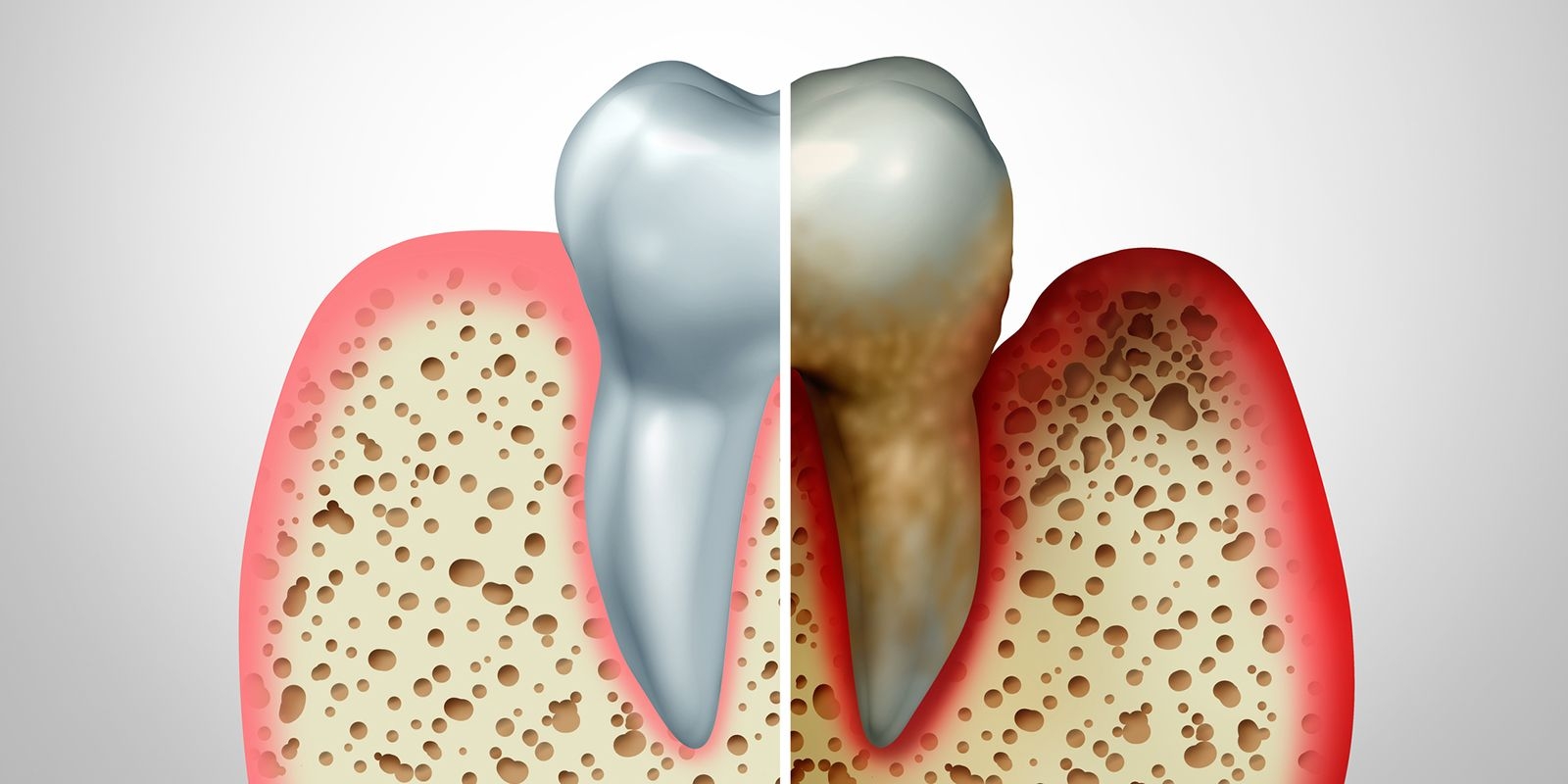
Gingivitis and periodontitis are both forms of gum disease, but they’re not the same thing, and the difference matters. Gingivitis is the early, reversible stage caused by plaque buildup along the gumline. Left untreated, it can progress into periodontitis, a more serious condition that damages the tissue and bone holding your teeth in place.
Brushing and flossing aren’t glamorous, but they’re the two things standing between you and this whole conversation. Here’s what’s actually happening at each stage, and why catching it early makes all the difference.
What Is Gingivitis?
Gingivitis is inflammation of the gums caused by bacteria, and it’s usually the first sign that plaque has been sticking around longer than it should. Plaque forms on your teeth constantly. When it isn’t brushed or flossed away, it hardens into tartar, which can work its way below the gumline and irritate the gum tissue. The result is red, puffy, sometimes bleeding gums.
The good news: the American Academy of Periodontology calls gingivitis “the mildest form of periodontal disease,” and with good news like that, the even better part is it’s reversible. A solid cleaning and a better brushing routine can usually turn things back around before any real damage is done.
What Is Periodontitis?
If gingivitis sticks around unaddressed, it can progress into periodontitis. This is where plaque has spread below the gumline far enough that the body’s own immune response starts breaking down the soft tissue and bone supporting your teeth. Pockets form between the teeth and gums, and those pockets tend to collect more bacteria, which makes the problem worse over time.
Here’s the tricky part: periodontitis often doesn’t hurt, at least not early on, so it’s easy to miss until teeth start to loosen or shift. That’s exactly why regular checkups matter more than most people realize.
How Are Gingivitis and Periodontitis Related?

Think of them as two points on the same road, not two separate diseases. Gingivitis is where gum disease starts. Periodontitis is where it ends up if nothing interrupts it. Catching things at the gingivitis stage is the whole game, because that’s the point where a cleaning and a better home routine can usually fix everything.
Can Gingivitis Be Reversed?
Yes. Gingivitis is reversible with a professional cleaning and consistent brushing and flossing at home. Periodontitis, once bone and tissue are affected, cannot be fully reversed, though it can be managed and slowed with the right treatment.
When Should I See a Dentist About My Gums?
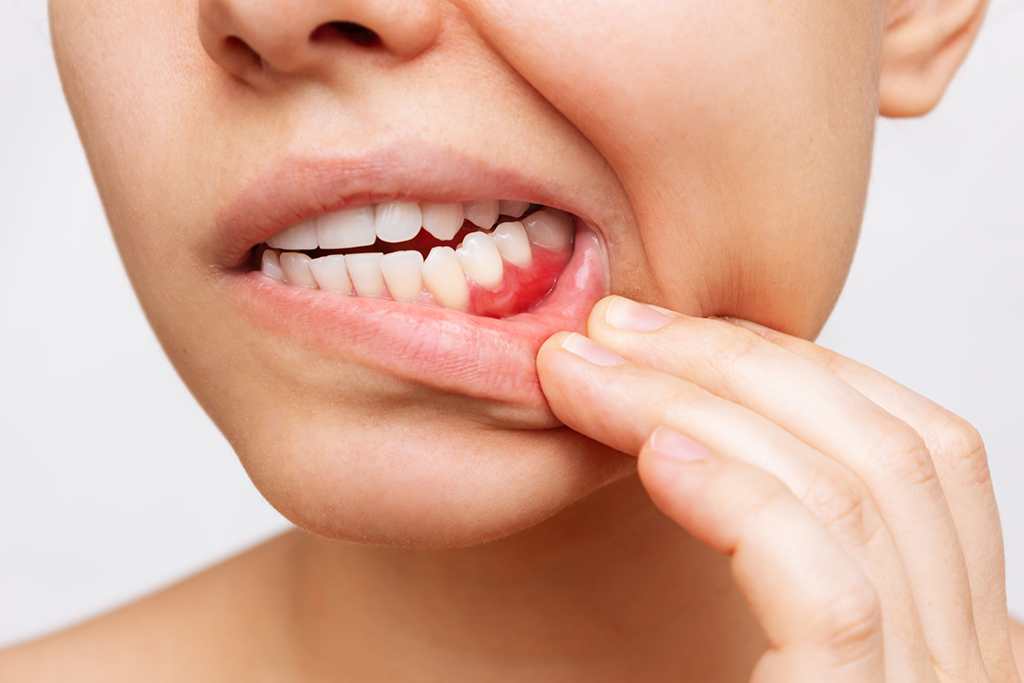
If you notice bleeding when you brush or floss, gums that look red or swollen, or any tenderness that doesn’t go away, it’s worth getting checked out. Catching gum disease at the gingivitis stage is a lot easier than treating it once it’s progressed.
Concerned About Your Gum Health?
It’s always better to catch issues early when they are most treatable. If something feels off, book your visit online or give us a call at 763-546-1301, and we’ll take a look.
Frequently Asked Questions
Does insurance cover gum disease treatment?
Most dental insurance plans cover at least part of gum disease treatment, especially at earlier stages, but coverage varies by plan. We’re happy to help you figure out what’s covered before any treatment starts.
Is gum disease genetic?
Genetics can play a role in how susceptible you are to gum disease, but daily habits like brushing, flossing, and regular cleanings matter just as much, even if it runs in your family.
Does gum disease affect more than just your mouth?
Yes. Research has linked untreated gum disease to other health issues, including heart disease and diabetes complications, which is one more reason not to let it go unchecked.
What happens at a periodontal cleaning?
A periodontal cleaning goes deeper than a routine cleaning, reaching below the gumline to remove plaque and tartar that a regular cleaning cannot access. It is usually more involved but not something to be nervous about.
How long does it take to treat gingivitis?
Most gingivitis clears up within a few weeks of a professional cleaning paired with consistent brushing and flossing, though everyone heals at a slightly different pace.