

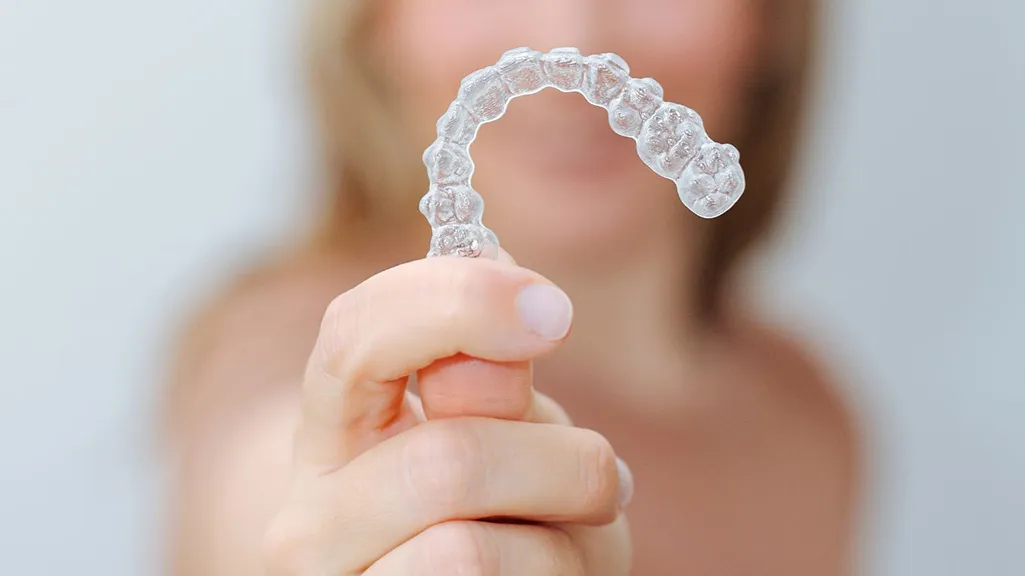
Back-to-school season has a way of revealing just how much kids can change in one summer. Suddenly the shoes don’t fit, the pants are too short, and the child who seemingly just finished elementary school is asking whether they can get Invisalign.
If you’ve noticed your teen or preteen becoming more self-conscious about crooked, crowded, or gapped teeth, you may be wondering whether clear aligners are an option. For many teens, they can be.
Invisalign can address a number of common orthodontic concerns while offering some practical benefits that work particularly well for busy kids. Between school, hockey, soccer, dance, homework, friends, and everything else on the family calendar, orthodontic treatment can sound like one more logistical headache. For the right teen, clear aligners can fit surprisingly easily into an already busy routine.
But there is a catch, and parents will probably guess it immediately: your teen has to actually wear them.
So before adding “Invisalign consultation” somewhere between school supplies and sports registration on the back-to-school list, here’s what parents should know.
First: Can Teens Actually Get Invisalign?

Absolutely. Clear aligners aren’t just for adults.
According to the American Association of Orthodontists, clear aligners can be used to treat a variety of orthodontic concerns, including crowded or crooked teeth, gaps, overbites, underbites, open bites, and crossbites. They aren’t appropriate for every case, though. Some orthodontic problems may be treated more predictably with traditional braces or another approach.
Age isn’t the only consideration either. Your teen also needs to be responsible enough to manage removable aligners.
Invisalign generally recommends wearing aligners 20 to 22 hours per day, removing them primarily for eating, drinking anything other than water, brushing, and flossing.
That’s one of the biggest differences for parents to understand: Invisalign offers a lot of freedom, but your child has to be ready for the responsibility that comes with it.
Why Invisalign Can Work So Well for Busy Teens

The most obvious benefit is appearance, as clear aligners are far less noticeable than traditional metal braces, which can matter to a teenager who is already self-conscious about their smile.
And let’s be fair. Middle school and high school involve school pictures, dances, team photos, performances, presentations, driver’s license photos, selfies, and friends who apparently need photographic evidence of everything these days.
But appearance isn’t the only reason families consider Invisalign.
For the right teen, there are some very practical advantages:
- Aligners are removable. They come out for meals, brushing, and flossing.
- There aren’t the same food restrictions as traditional braces. Your teen can generally continue eating the foods they already enjoy.
- Brushing and flossing remain relatively normal. There are no brackets or wires to clean around.
- They’re discreet. Most people won’t immediately notice that your teen is undergoing orthodontic treatment.
- There are no brackets or wires to break. That’s one less potential orthodontic surprise during an already packed week.
For many families, those seemingly small conveniences are what make Invisalign attractive.
What Happens at School?
This is usually where parents’ practical questions begin and yes, your teen can eat lunch normally. The aligners simply need to come out before eating and be put back in afterward. Like what you would expect with a removable retainer.
The harder part may be convincing your child not to wrap a nearly invisible aligner in a white cafeteria napkin. We can’t tell you how often we hear their aligner was accidentally thrown away. Please use the case to help avoid this far too common incident.
A small Invisalign kit kept in a backpack can make school days much easier which may include:
- Aligner case
- Travel toothbrush and toothpaste
- Floss or floss picks
- Water bottle
Ideally, teens should brush their teeth before putting aligners back in after eating. Good oral hygiene is especially important because putting an aligner over food debris or sugary residue keeps it sitting against the teeth.
For teens who are mature enough to manage that routine independently, Invisalign can work very well during the school day.
And Yes, They Can Still Eat Pizza
This may be the section your teenager cares about most.
Because Invisalign aligners are removed before eating, teens generally don’t have the same restrictions on hard, crunchy, chewy, or sticky foods that come with traditional braces.
Popcorn? Fine.
Apples? Fine.
Corn on the cob? Fine.
Pizza after the football game? Also fine.
They’ll simply need to remove their aligners first and brush their teeth before putting them back in.
One important exception is beverages. Water is the safest thing to drink while wearing aligners. Sugary or acidic beverages can become trapped between the aligner and the teeth, which is not where you want a sports drink spending the afternoon.
What About Sports?
For Minnesota families, this is a big one.
Back-to-school also means soccer, football, volleyball, hockey, basketball, and the return of the family calendar that requires three colors and possibly an advanced degree to understand.
Teens can absolutely participate in sports during Invisalign treatment. However, clear aligners are not a substitute for a sports mouthguard.
For contact sports or activities where your child could be hit in the mouth, the American Association of Orthodontists recommends removing aligners and using an appropriate mouthguard during play. Have mouthguard questions? That is what we are here for!
Oral Hygiene Is More Straightforward
This is one of the benefits parents often appreciate most.
Brackets and wires create additional areas where plaque and food can collect. With clear aligners, your teen removes the trays and brushes and flosses normally.
That doesn’t mean Invisalign will suddenly transform a teenager who “forgot” to brush into an oral hygiene enthusiast. We are dentists, not miracle workers, but it does remove some of the physical obstacles that make brushing and flossing more complicated during traditional orthodontic treatment.
Regular dental cleanings and exams remain important throughout treatment as well. Moving teeth and preventing cavities are two separate jobs, and we want to accomplish both.
Why Back-to-School Can Be a Good Time to Start
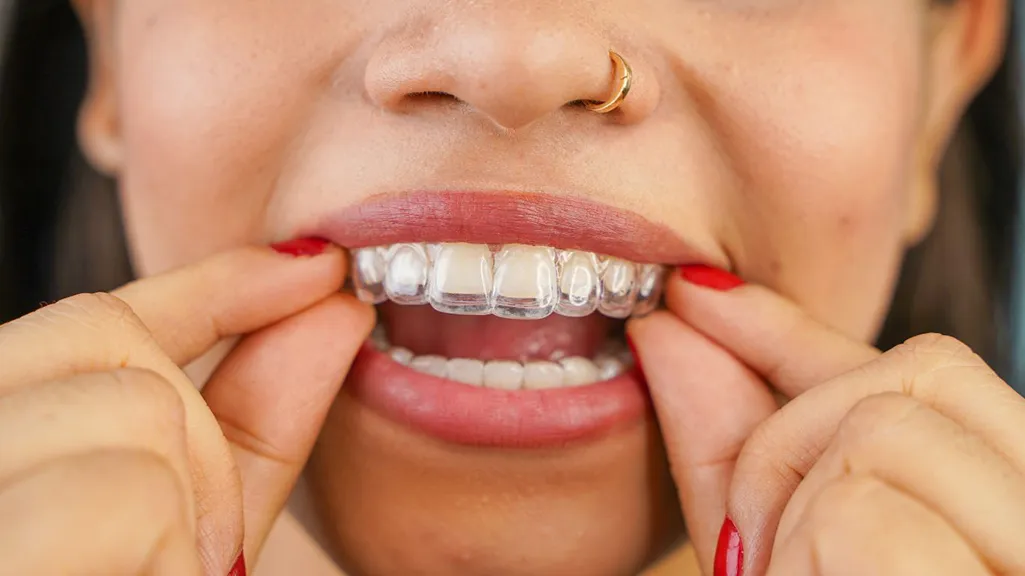
There’s nothing really all that special about August that makes Invisalign work better. What makes back-to-school a good time of year to start is routine.
Summer can be wonderfully chaotic. There are vacations, camps, cabin weekends, sleepovers, tournaments, and days when nobody in the house seems entirely sure what day of the week it is.
School brings structure back. For a teen starting clear aligners, that makes it easier to establish a routine:
Morning: Brush teeth, clean the aligners, and put them in before school.
Lunch: Put the aligners safely in their case while eating, clean teeth afterward, and put them back in.
Sports: Follow your provider’s recommendations for aligner and mouthguard use.
Evening: Brush, floss, clean the aligners, and wear them overnight.
Eventually, the goal is for all of this to become automatic rather than something Mom or Dad has to remind them about every day.
The Bigger Question: Is Your Teen Ready?
When parents ask whether their child can get Invisalign, there are really two separate questions:
Are clear aligners clinically appropriate for their teeth and bite?
Is this particular kid ready to manage them?
We can help answer the first one. Parents probably already have some insight into the second.
A teen may be ready for Invisalign if they can reliably:
- Wear their aligners as directed
- Keep track of them at school, sports, and activities
- Remember to remove them before eating
- Maintain good brushing and flossing habits
- Follow instructions about changing aligners
- Speak up if an aligner is lost, damaged, or doesn’t feel right
Perfection isn’t required. They’re teenagers, but consistency matters because aligners can only do their job when they’re actually being worn.
For a child who isn’t ready for that responsibility, traditional braces may ultimately be the easier option. And that’s completely okay.
What About Preteens?
There isn’t one birthday when a child suddenly becomes ready for Invisalign.
Dental development, jaw growth, the type of orthodontic problem, and maturity all play a role. Some younger patients may be candidates for clear aligner treatment, while others may benefit from waiting or using a different approach.
If you’ve started noticing crowding, spacing, bite concerns, or teeth erupting in unusual positions, you don’t have to determine what treatment your child needs before making an appointment.
That’s what the evaluation is for.
Invisalign Isn’t Automatically Better Than Braces
This may be the most important thing for parents to know.
Invisalign has plenty of advantages, but less noticeable doesn’t automatically mean better.
Traditional braces remain an excellent treatment option and may be preferable for certain orthodontic problems. They also have one significant advantage for kids who struggle with responsibility: you can’t leave your braces on the lunchroom table.
The best treatment is the one that fits your child’s:
- Teeth and bite
- Stage of dental development
- Lifestyle
- Treatment needs
- Ability to manage removable aligners
When we evaluate a teen, the goal isn’t to figure out how to get them into Invisalign.
The question is much simpler: What does this child actually need?
Add a Smile Check to Your Back-to-School List
Backpack? Check.
School supplies? Check.
Sports registration? Check.
Shoes that somehow already don’t fit? Of course.
If you’ve also been watching your child’s smile change and wondering whether it’s time to do something about crowded, crooked, or gapped teeth, back-to-school season is a great time to ask.
At Bassett Creek Dental in Golden Valley, we can evaluate your teen or preteen’s smile, talk through your concerns, and help you understand whether Invisalign or another treatment option makes sense.
No assuming every child needs the same thing. No deciding on treatment before we’ve even looked at their teeth. Just straightforward guidance about what’s best for your child.
Schedule an appointment with Bassett Creek Dental to talk with our team about your child’s smile and whether Invisalign may be an option.
Frequently Asked Questions About Invisalign for Teens
How many hours a day does my teen need to wear Invisalign?
Invisalign generally recommends wearing aligners for 20 to 22 hours per day, although your provider will give your teen instructions based on their individual treatment. They’re typically removed for eating, drinking anything other than water, brushing, and flossing.
Can my teen eat lunch at school with Invisalign?
Yes. Aligners are removed for meals, so your teen can eat normally at school. They should store the aligners in their case rather than wrapping them in a napkin and clean their teeth appropriately before putting the aligners back in.
Can my teen play sports with Invisalign?
Yes. Clear aligners generally don’t prevent teens from participating in sports. However, aligners aren’t a replacement for an athletic mouthguard. For contact sports, talk with your provider about how to appropriately protect your child’s teeth during treatment.
How do I know whether Invisalign or braces are better for my teen?
It depends on both the orthodontic problem and your child. Invisalign can treat many common orthodontic concerns, but traditional braces or another approach may be recommended for some cases. Your teen’s ability to consistently wear and care for removable aligners also matters. An evaluation is the best way to determine which treatment makes the most sense.